
HIKMICRO Australia
HIKMICRO thermal and night vision scopes and monoculars in Australia from Bristle Up, an authorised Australian HIKMICRO dealer. Explore thermal scopes, thermal monoculars, digital day/night scopes, thermal clip-ons and multispectral binoculars including STELLAR, NEOS, CONDOR, FALCON, LYNX, THUNDER, ALPEX and HABROK.
Bristle Up supplies genuine Australian-market HIKMICRO products with local warranty support and experienced advice before and after purchase.

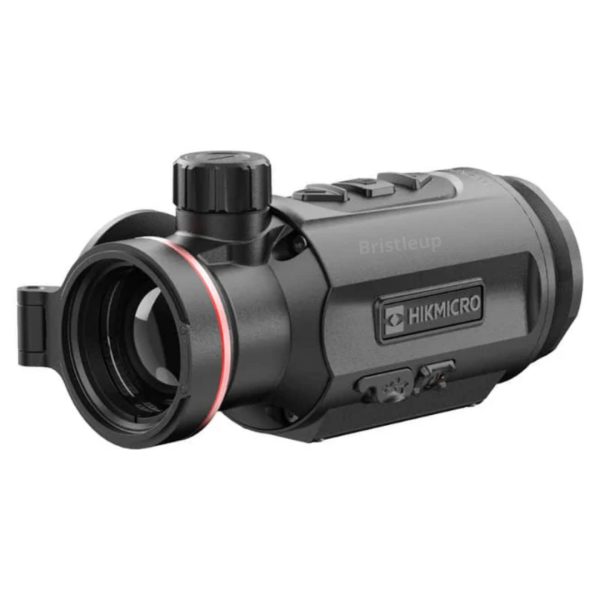
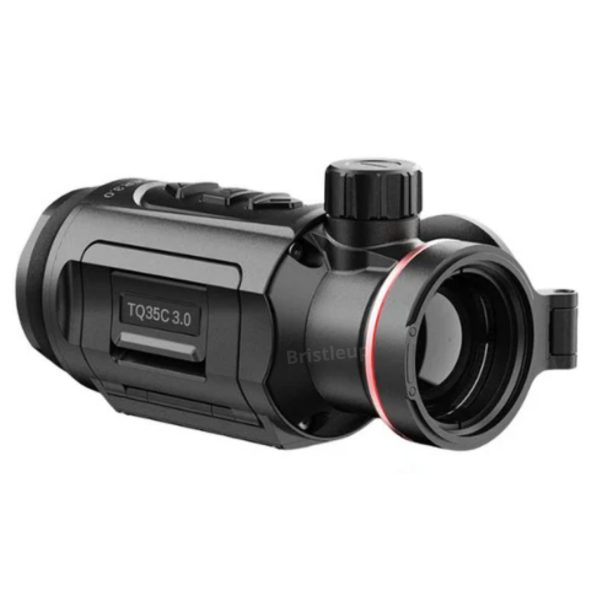
HIKMICRO Thermal & Night Vision Australia
HIKMICRO offers a broad range of thermal imaging, digital night vision and multispectral hunting optics covering handheld scanning, dedicated rifle scopes, thermal clip-ons and binocular-style observation.
Rather than choosing purely by price or sensor resolution, the best HIKMICRO for you depends on what the optic needs to do. Your normal hunting distance, quarry, terrain, required field of view, base magnification, objective lens size, thermal sensitivity and whether you require an integrated laser rangefinder should all be considered.
Bristle Up can help compare these differences across the HIKMICRO range and match the equipment to how you actually hunt.
HIKMICRO Thermal Scopes
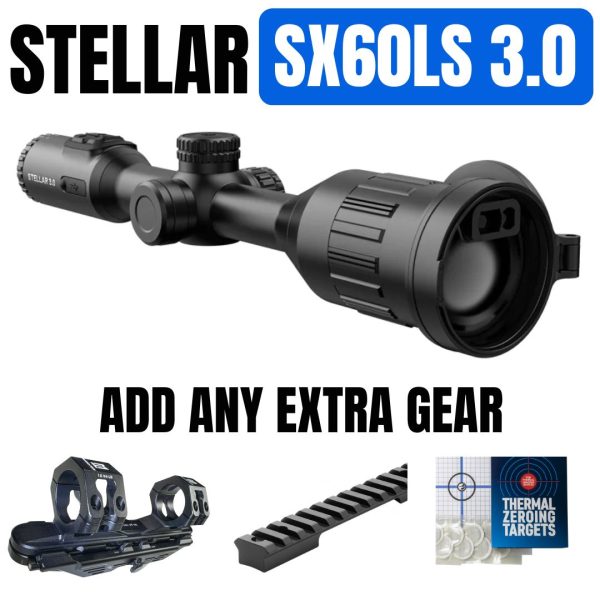
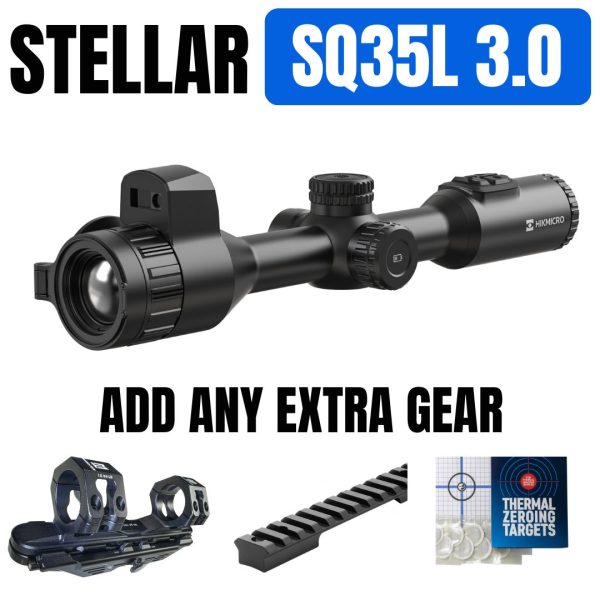
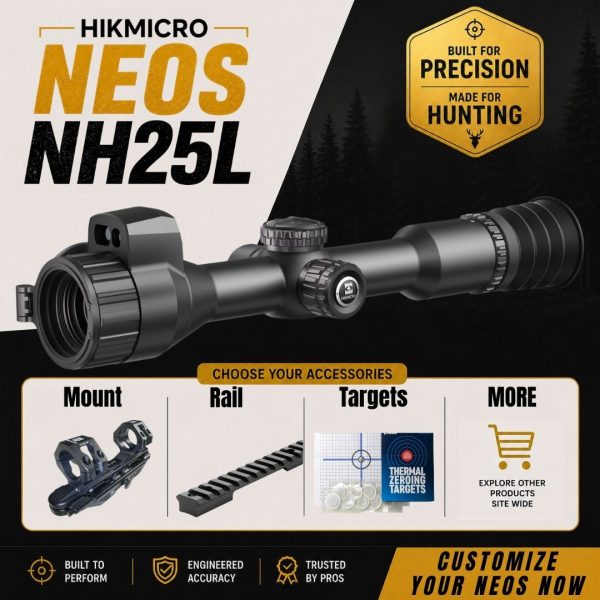
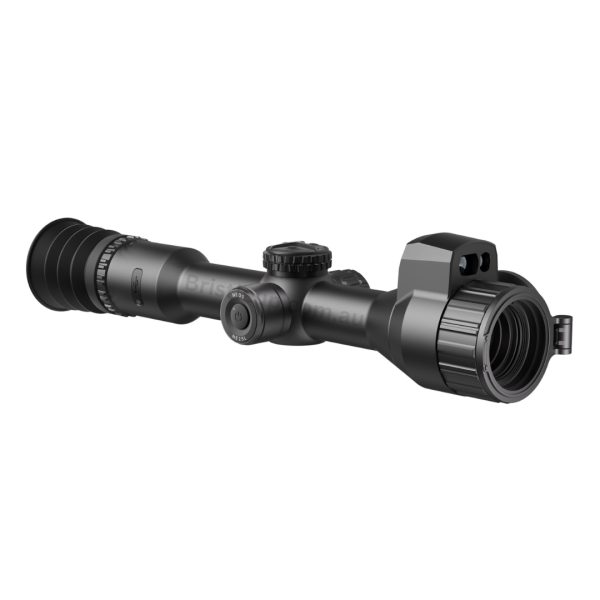
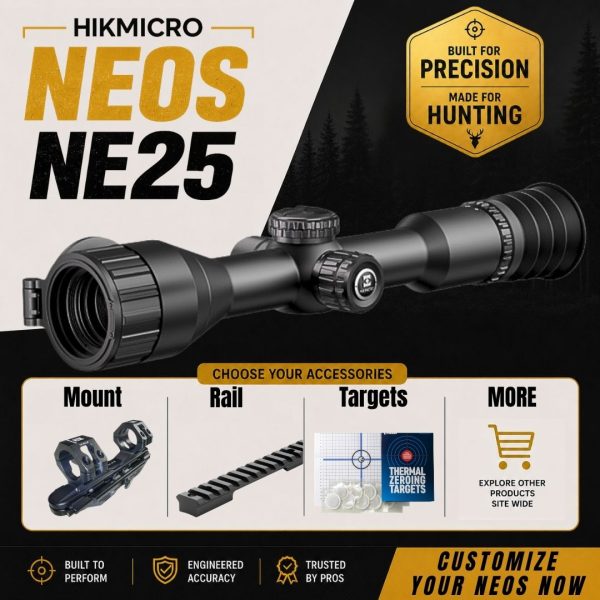
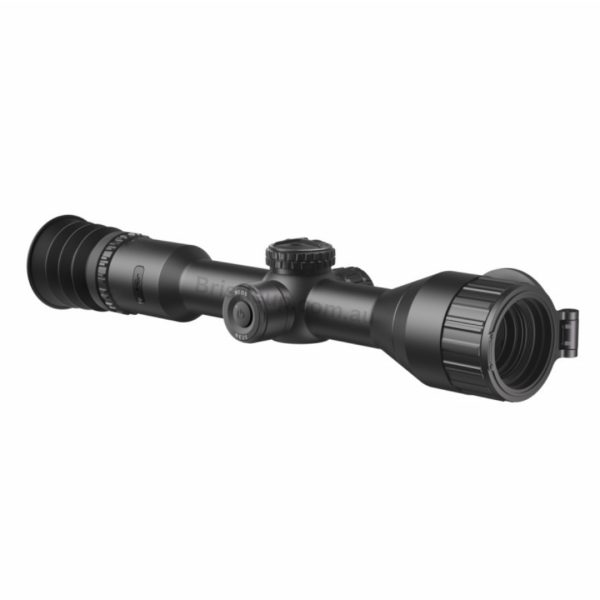
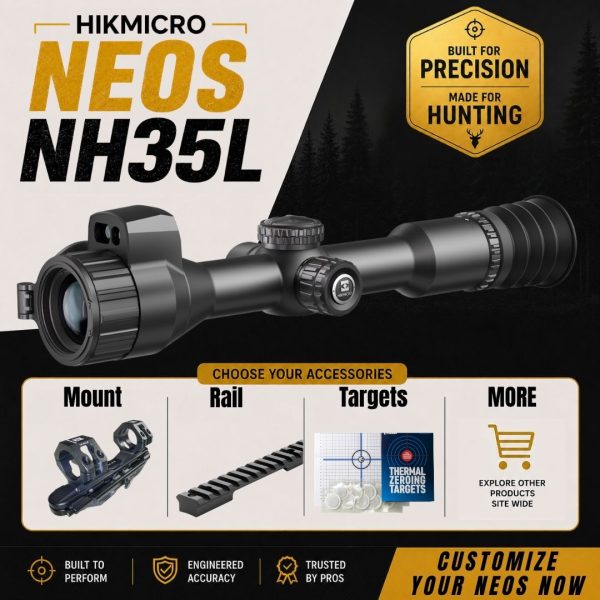
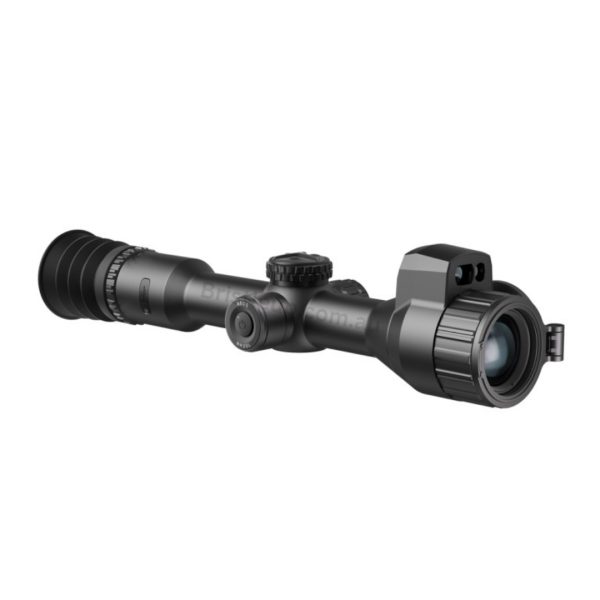
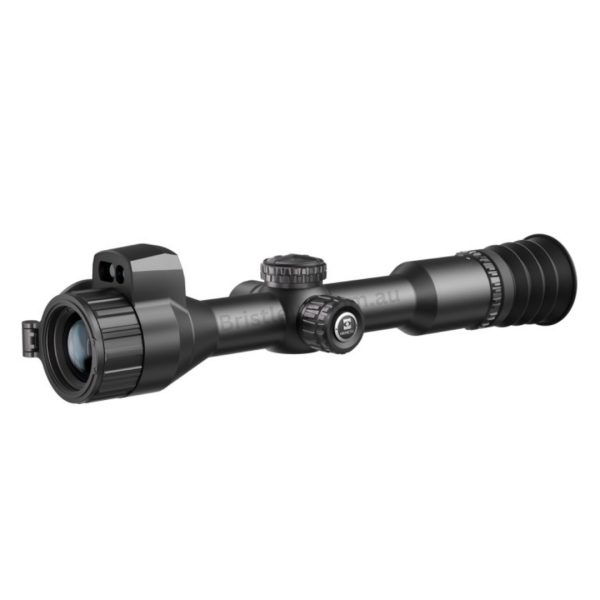
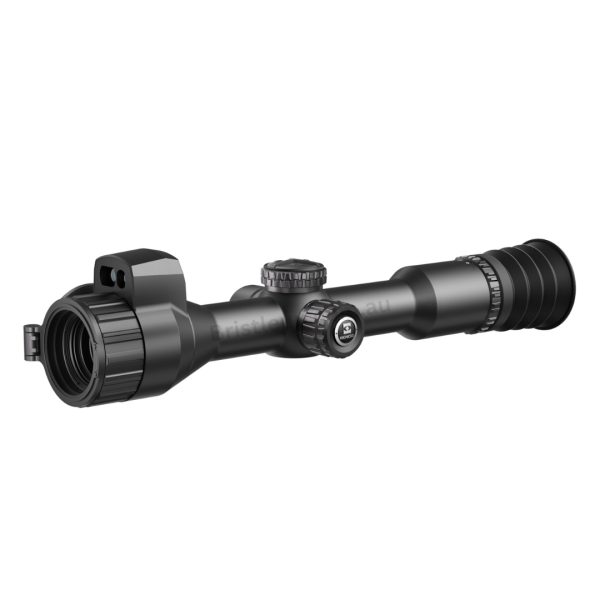
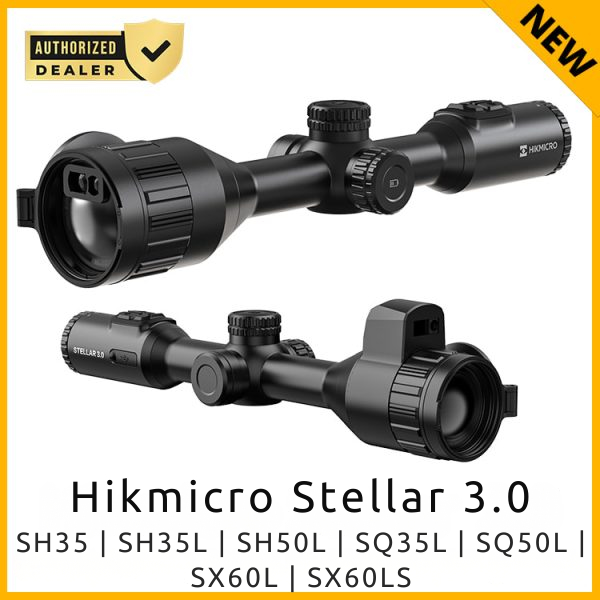
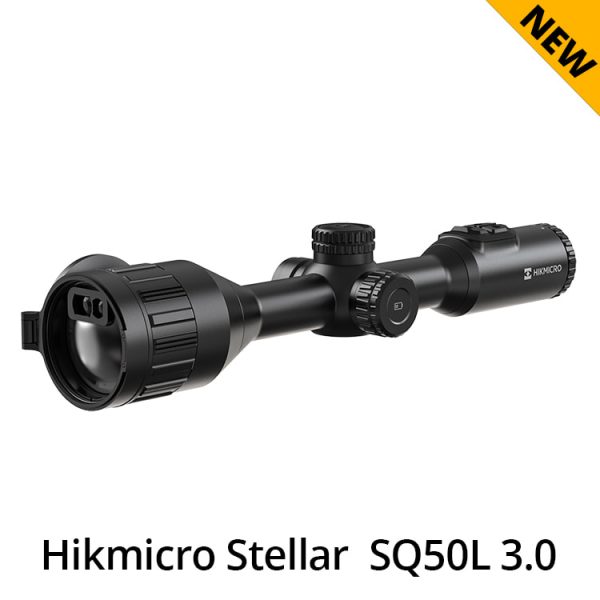
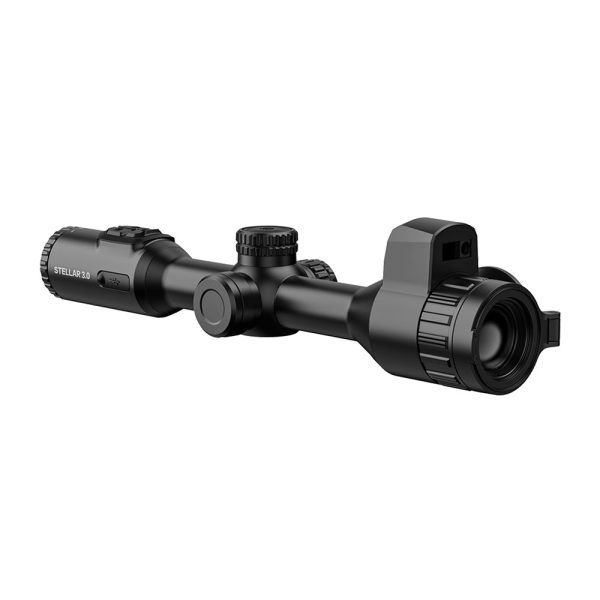
HIKMICRO's current thermal rifle scope range includes STELLAR 3.0 and NEOS, giving hunters options across different price points, sensor resolutions, lens sizes and feature sets. Bristle Up currently carries STELLAR models from the SH and SQ ranges through to the high-resolution SX60LS, along with NEOS models such as the NE25, NH25L and NH35L.
The STELLAR range uses a conventional tube-style riflescope format and covers several levels of thermal performance. The newer NEOS range provides another dedicated thermal-scope option, including models with integrated laser rangefinding and ballistic features.
When comparing thermal scopes, don't look at sensor resolution in isolation. Base magnification, lens size and field of view can make two scopes with similar sensor specifications behave quite differently in real hunting conditions.
HIKMICRO Thermal Monoculars
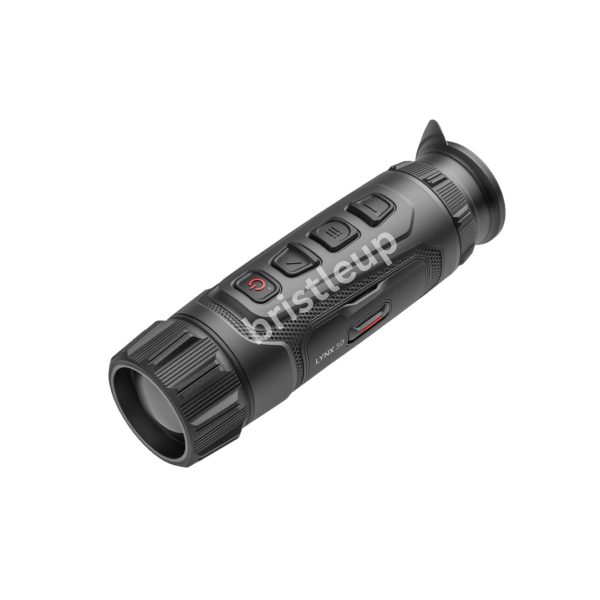
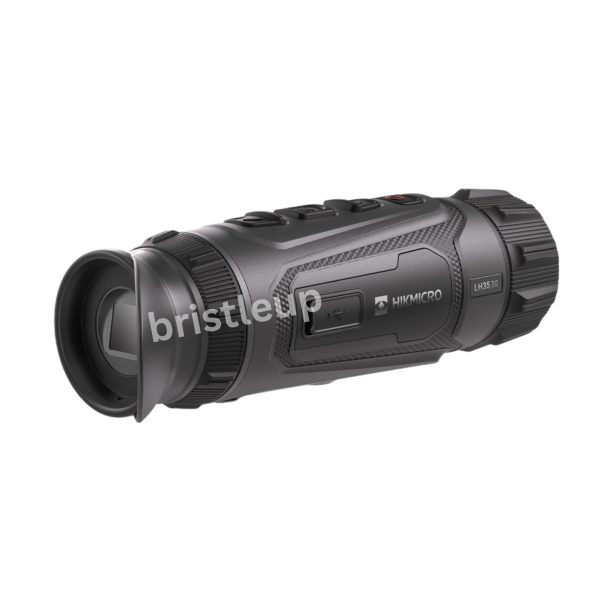
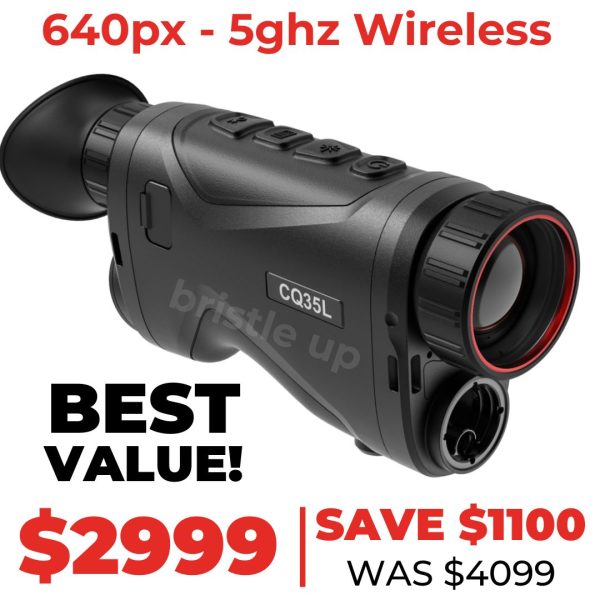
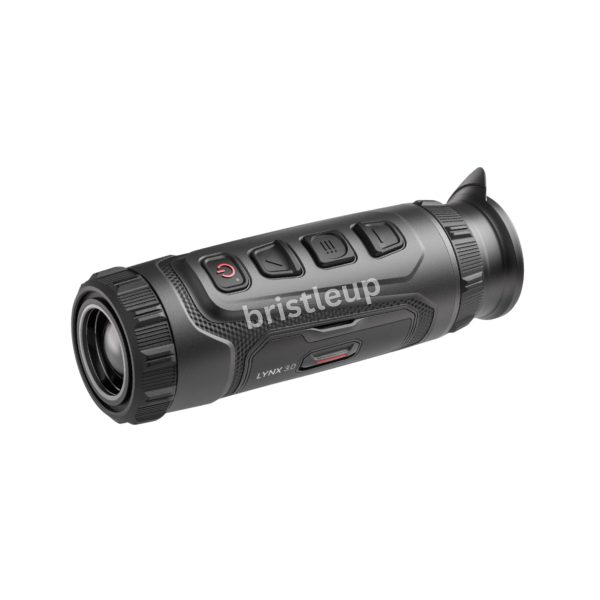
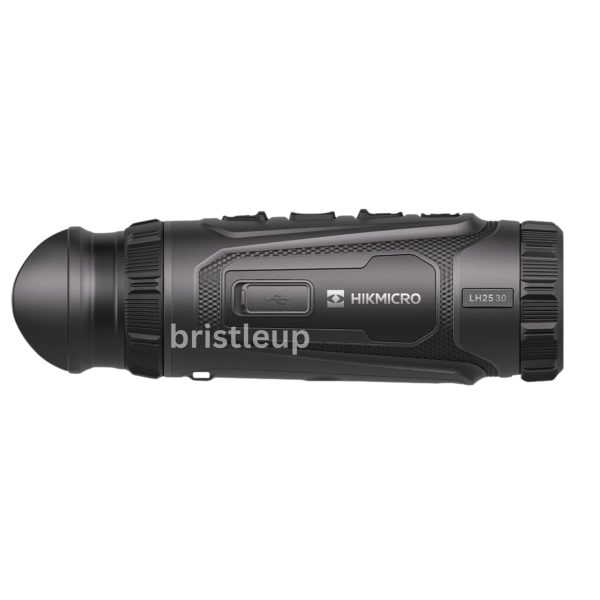
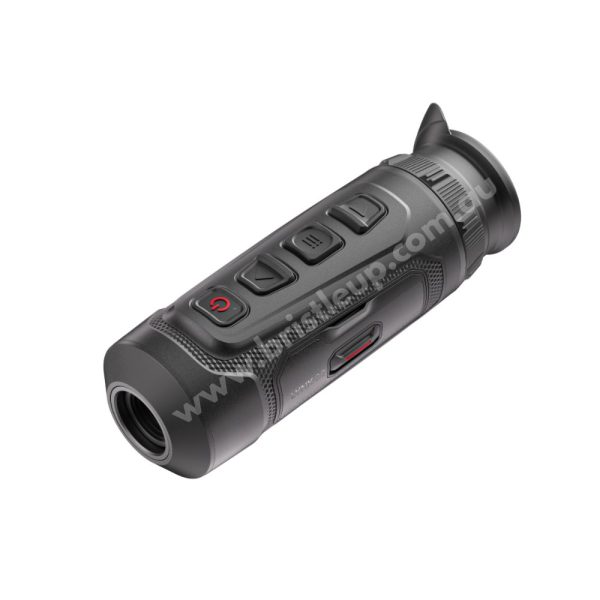
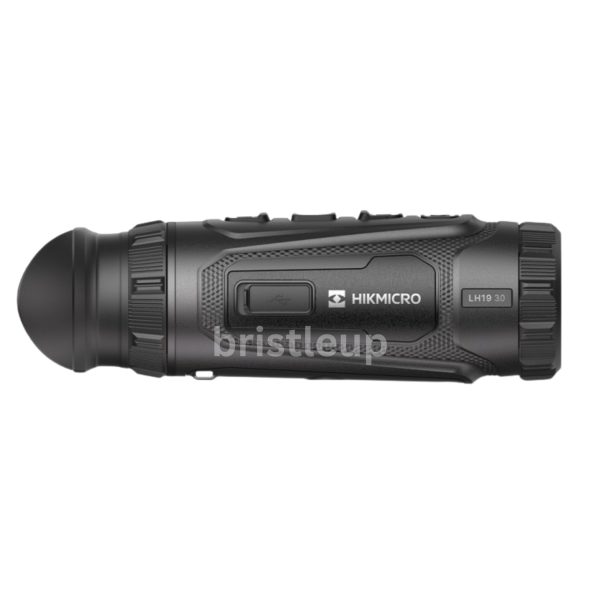
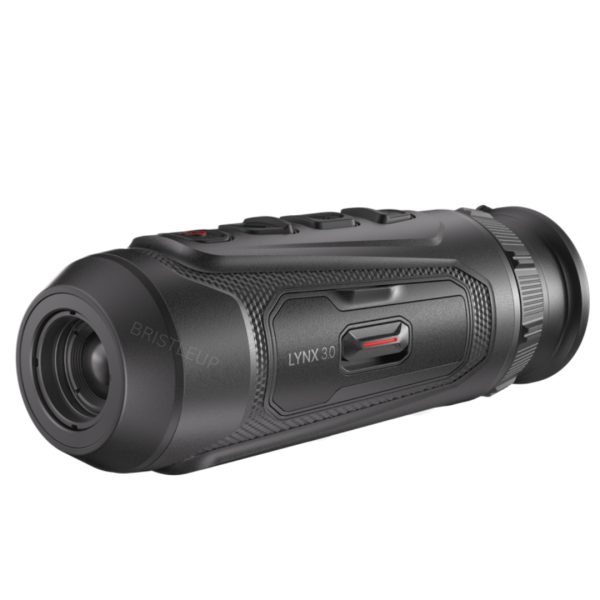
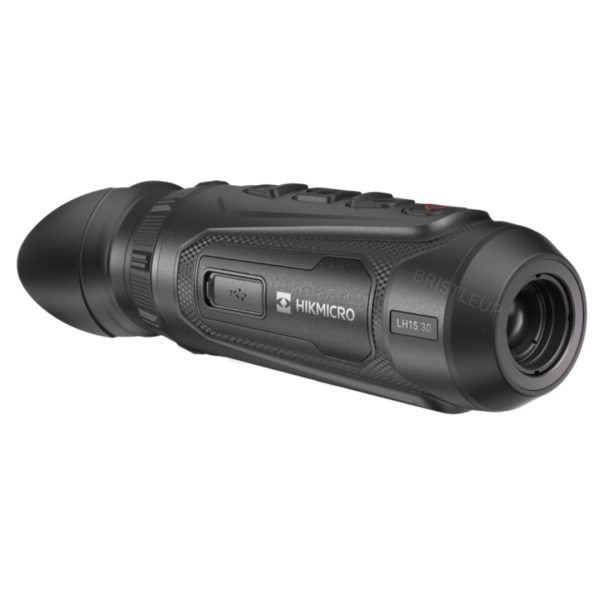
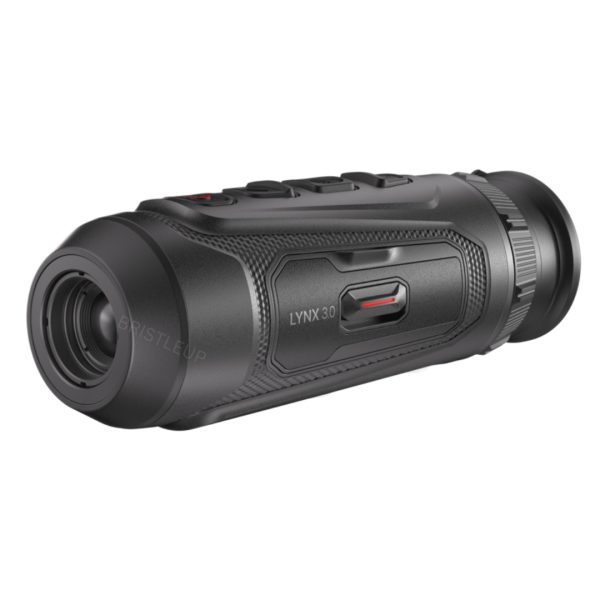
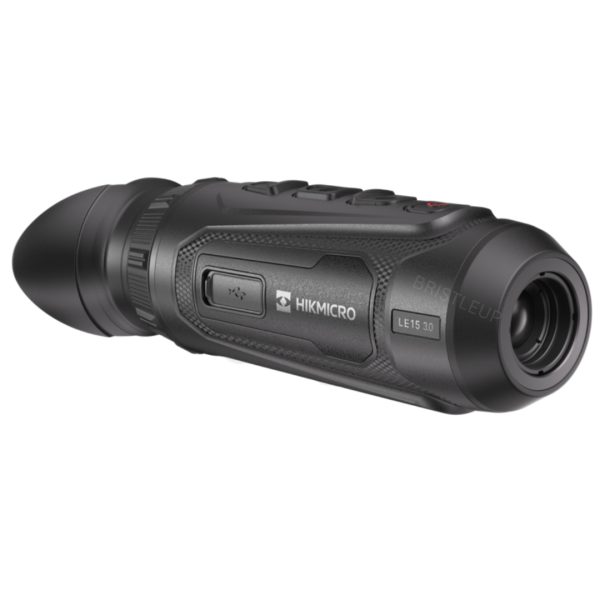
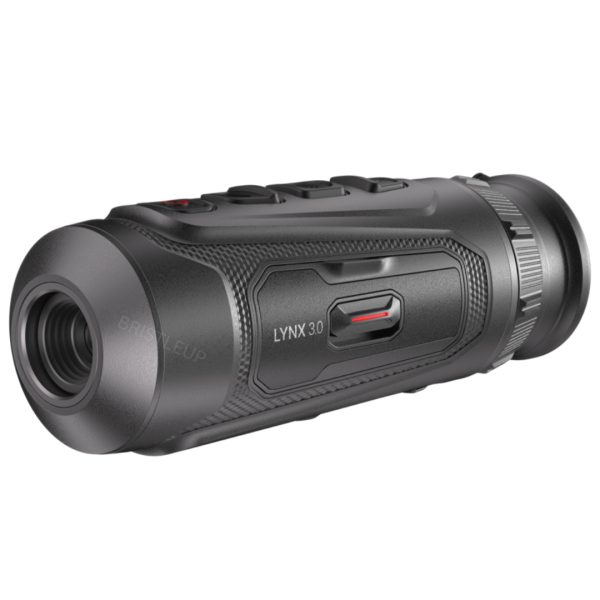
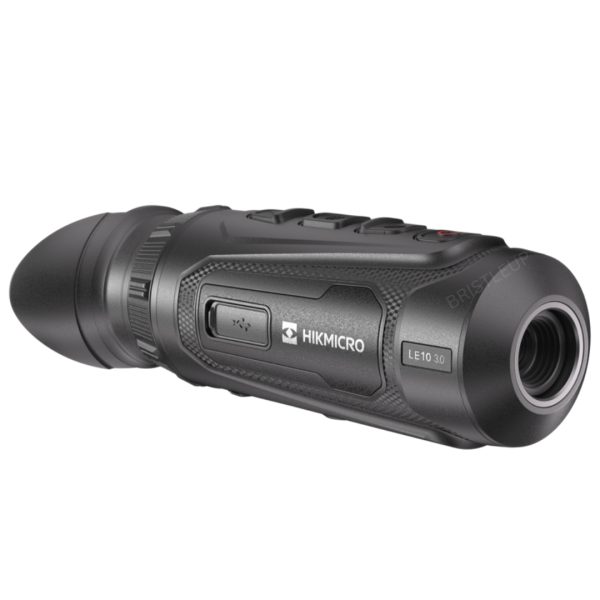
For handheld thermal scanning, HIKMICRO's range includes LYNX, FALCON and CONDOR.
The current Bristle Up range includes compact LYNX 3.0 models, higher-performance FALCON 2.0 handhelds and CONDOR 2.0 models with integrated laser rangefinding options.
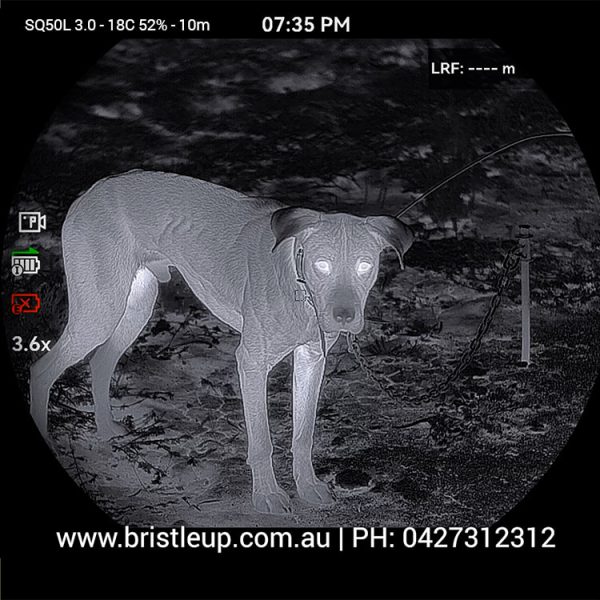
A thermal monocular is particularly useful for locating animals without continually scanning through a rifle-mounted optic. For many hunters, the monocular becomes the primary searching tool while the rifle optic is reserved for identification and taking the shot.
The best handheld depends heavily on your terrain. A compact unit with a wider field of view can make sense for closer work, while larger lenses and greater optical magnification may suit hunters regularly scanning open country at longer distances.
Understanding HIKMICRO Model Names
HIKMICRO model names can look complicated at first, but many of the current thermal models follow a useful pattern. Once you understand the letters and numbers, you can often tell the product family, sensor resolution, lens size and whether the model has a laser rangefinder just from its name.
The first letter normally identifies the product family. For example:
- L = LYNX
- F = FALCON
- C = CONDOR
- S = STELLAR
- N = NEOS
The next letter commonly indicates the thermal sensor class:
- E = 256 × 192
- H = 384 × 288
- Q = 640 × 512
- X = 1280 × 1024
The number generally refers to the objective lens size in millimetres. A model ending in 35, for example, normally uses a 35 mm lens, while 50 indicates a 50 mm lens.
A final L commonly indicates an integrated laser rangefinder (LRF).
For example:
LQ35L can be read as:
- L = LYNX
- Q = 640 × 512 thermal sensor
- 35 = 35 mm lens
- final L = laser rangefinder
Likewise, FQ50L means a FALCON with a 640 × 512 sensor, 50 mm lens and LRF, while SQ50L identifies a STELLAR with a 640 × 512 sensor, 50 mm lens and LRF.
This also explains why the position of a letter matters. In LQ35L, the first L means LYNX, while the final L means laser rangefinder.
Numbers such as 2.0 or 3.0 generally identify the generation of that product family, such as FALCON 2.0, LYNX 3.0 or STELLAR 3.0.
The naming system is a useful guide rather than an absolute rule across every HIKMICRO product, but it makes comparing many of the current thermal models considerably easier.
HIKMICRO Night Vision
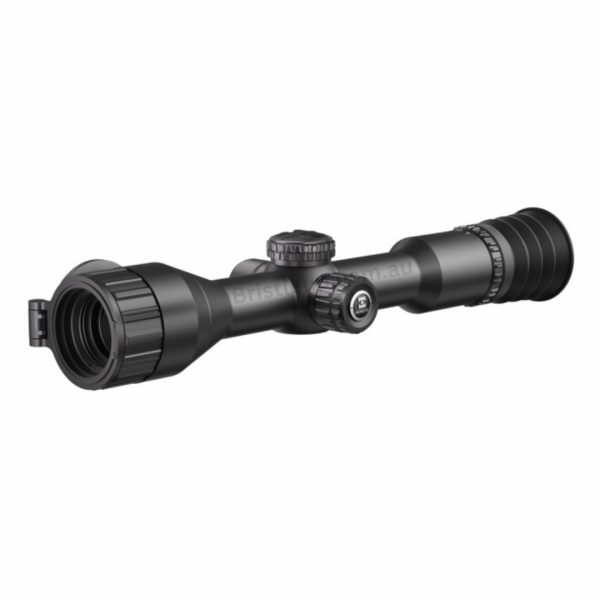
HIKMICRO's ALPEX range provides digital day and night vision in a familiar riflescope-style platform.
Unlike thermal imaging, which detects differences in heat, digital night vision produces a conventional visible image and uses infrared illumination when operating in darkness. This makes ALPEX a strong option for hunters who want the same optic to provide a detailed colour image during the day and digital night vision after dark.
When deciding between ALPEX and a dedicated thermal scope, consider whether your priority is seeing heat and quickly detecting animals, or retaining the more natural visual detail provided by digital night vision.
HIKMICRO Thermal Clip-Ons
The THUNDER range provides thermal clip-on options for hunters wanting to add thermal capability to an existing optical setup rather than permanently replacing their conventional day scope.
Bristle Up carries THUNDER thermal clip-on models alongside its dedicated HIKMICRO scope and monocular ranges.
Clip-ons can be particularly useful when you already have quality daytime glass you want to retain, although mounting compatibility and the complete rifle setup should be considered before choosing this approach.
HIKMICRO Multispectral Binoculars
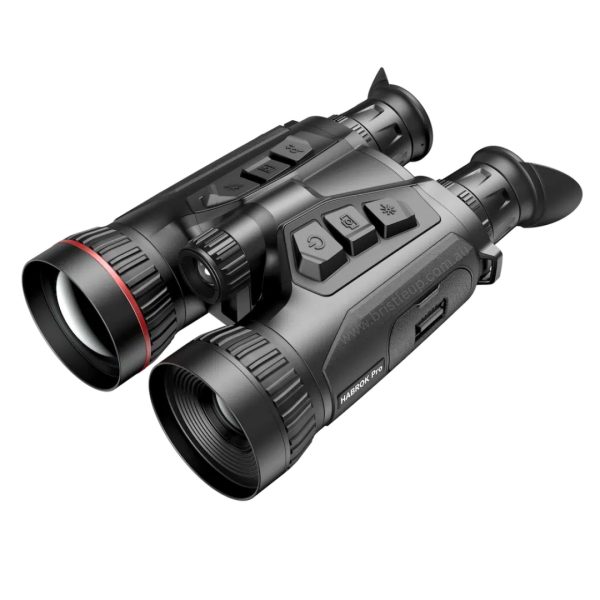
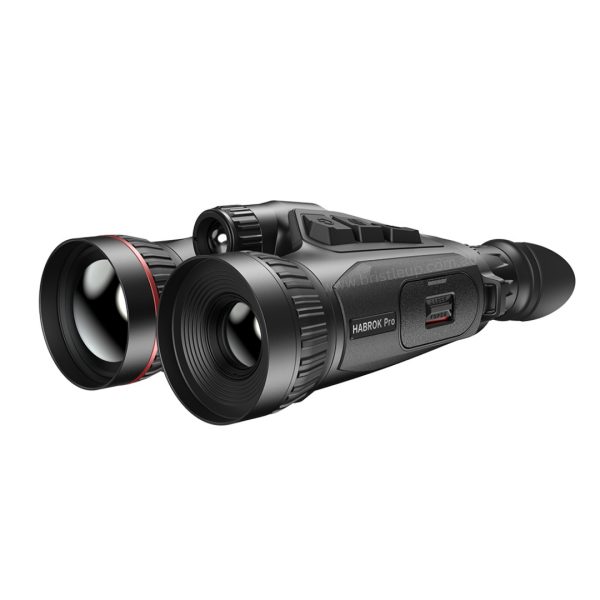
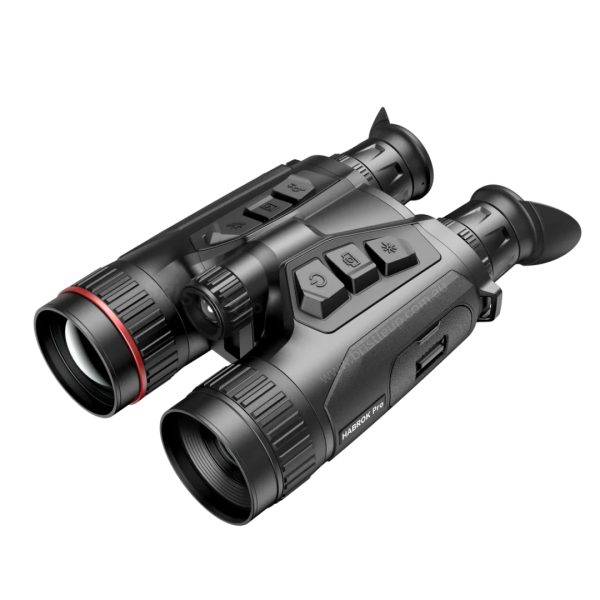
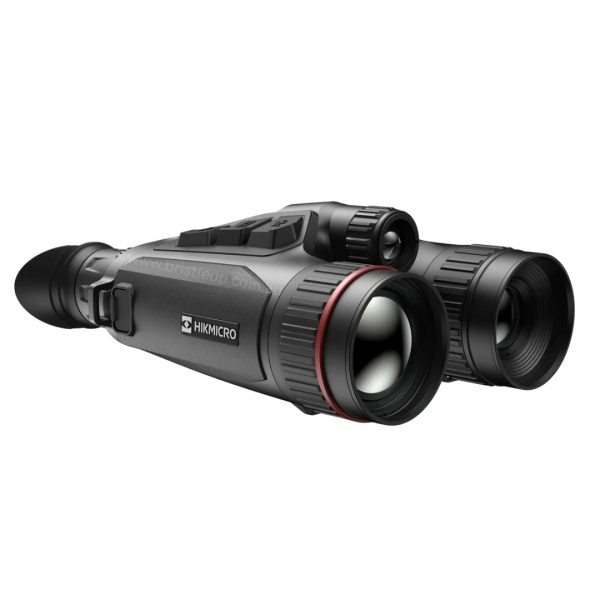
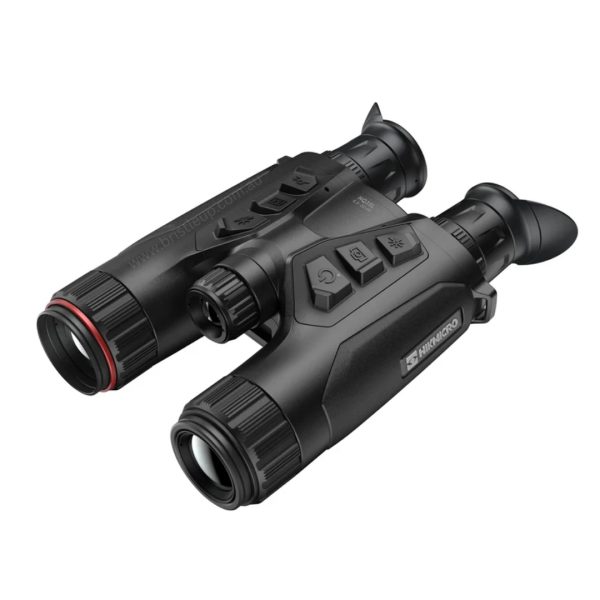
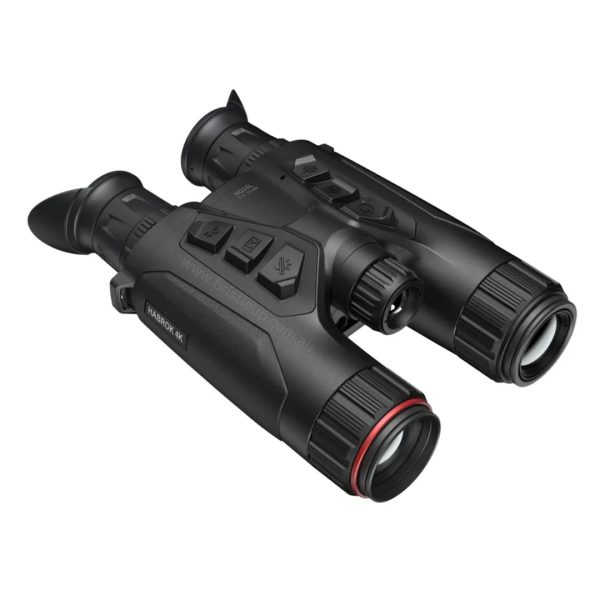
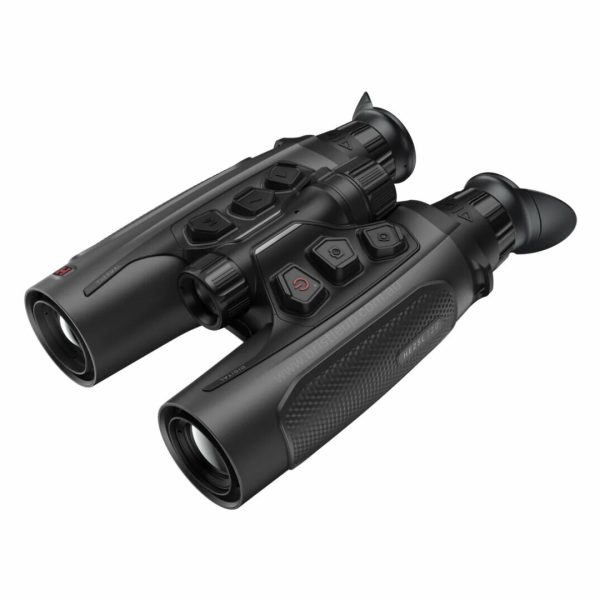
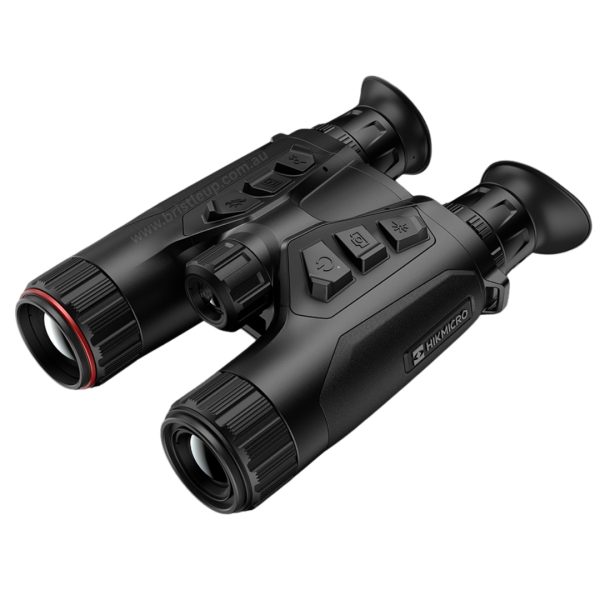
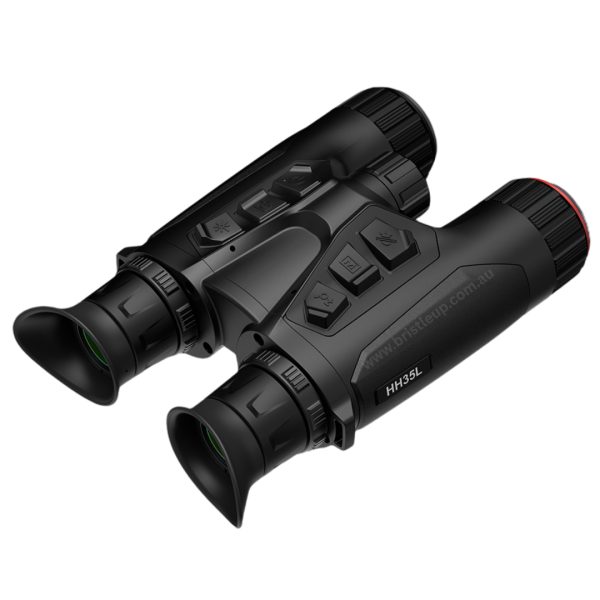
The HABROK range combines multiple observation technologies into a binocular-style platform.
HABROK models span several performance levels, combining thermal and digital imaging with features such as infrared illumination and laser rangefinding depending on the model.
These are aimed more at scanning and observation than replacing a rifle-mounted scope, making them worth considering when you want a dedicated handheld system with more capability than a conventional single-channel thermal monocular.
Which HIKMICRO Range Should I Look At?
| What you want | Start with |
|---|---|
| Compact thermal scanner | LYNX |
| Higher-performance handheld thermal | FALCON |
| Thermal monocular with LRF options | CONDOR |
| Dedicated thermal rifle scope | STELLAR |
| Alternative dedicated thermal scope | NEOS |
| Keep an existing day-scope setup | THUNDER |
| Digital day & night riflescope | ALPEX |
| Multispectral handheld observation | HABROK |
The table is a starting point rather than a substitute for comparing individual models. Within each range, different lens sizes, sensor resolutions, magnification and rangefinding features can substantially change which model best suits a particular hunting application.
For example, a 35 mm lens is not automatically worse than a 50 mm lens. The 35 mm option may provide a wider field of view that is better suited to closer hunting, while the 50 mm option may provide greater base magnification for hunters working across more open country.
The same applies to sensor resolution. A 640 or 1280 sensor offers more available image information, but lens size, magnification, field of view, thermal sensitivity and image processing all contribute to how the optic performs in practice.
Why Buy HIKMICRO from Bristle Up?
Bristle Up is an authorised Australian HIKMICRO dealer, supplying genuine Australian-market HIKMICRO products with local warranty support.
Because Bristle Up specialises heavily in thermal and night vision equipment, we can help compare HIKMICRO models against each other as well as alternatives from brands such as Nocpix, Pulsar and RIX.
Our approach is to match the equipment to your quarry, terrain, typical shooting distance and budget rather than automatically recommending the highest-priced model.
HIKMICRO FAQs
Is Bristle Up an authorised HIKMICRO dealer?
Yes. Bristle Up is an authorised Australian HIKMICRO dealer supplying genuine Australian-market products with local warranty support.
What does Q mean in a HIKMICRO model?
On many current HIKMICRO thermal models, Q indicates a 640 × 512 thermal sensor. For example, an FQ50 uses the FALCON platform with a Q-class 640 × 512 sensor and a 50 mm lens.
What does H mean in a HIKMICRO model?
In many current thermal model names, H indicates a 384 × 288 thermal sensor. For example, FH35 refers to a FALCON with a 384 × 288 sensor and 35 mm lens.
What does the number in a HIKMICRO model mean?
The main number generally indicates the objective lens focal length in millimetres. A 35 usually means a 35 mm lens, while a 50 normally means a 50 mm lens.
What does L mean in a HIKMICRO model?
When L appears at the end of the model name, it commonly indicates an integrated laser rangefinder. The position matters: in LQ35L, the first L identifies the LYNX family while the final L indicates the LRF.
What's the difference between HIKMICRO LYNX, FALCON and CONDOR?
All three are handheld thermal ranges, but they occupy different positions in the HIKMICRO lineup. LYNX provides compact scanning options, while FALCON and CONDOR move into higher-performance configurations, with CONDOR particularly focused on integrated laser rangefinding.
Should I buy a HIKMICRO thermal monocular or thermal scope first?
If you already have a suitable shooting optic, a handheld thermal monocular can be an excellent first thermal purchase because it allows you to continuously scan and locate animals without using the rifle. A dedicated thermal scope becomes the shooting component of the setup.
Is HIKMICRO ALPEX thermal?
No. ALPEX is digital day/night vision, not thermal imaging. It produces a conventional visible image and uses infrared illumination for night operation, whereas HIKMICRO thermal products detect differences in heat.