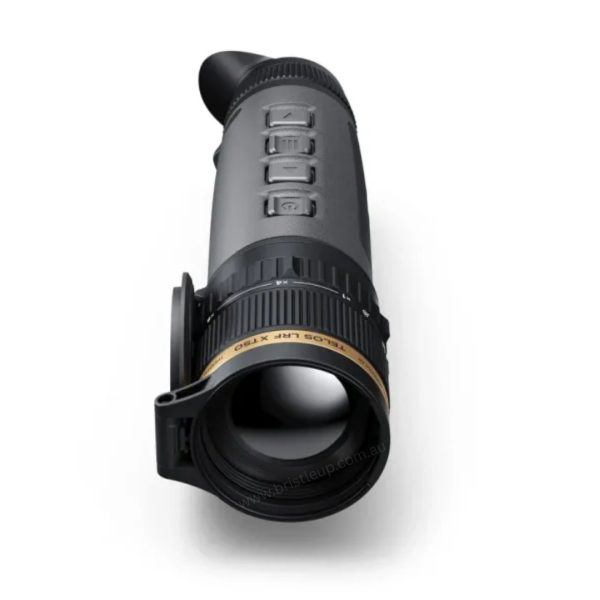
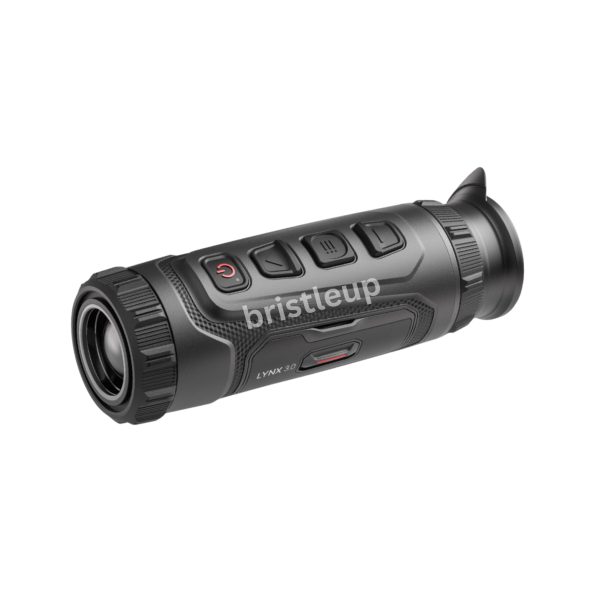
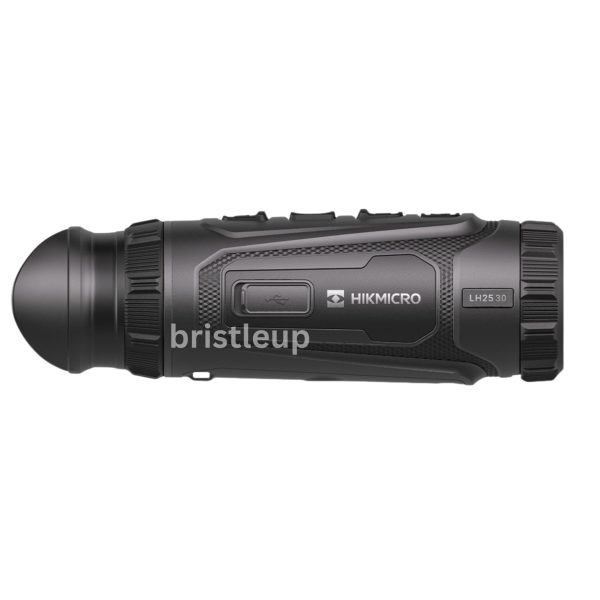
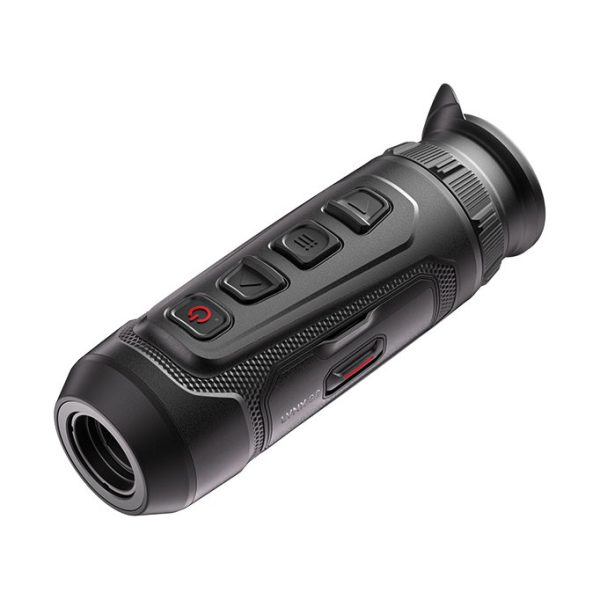
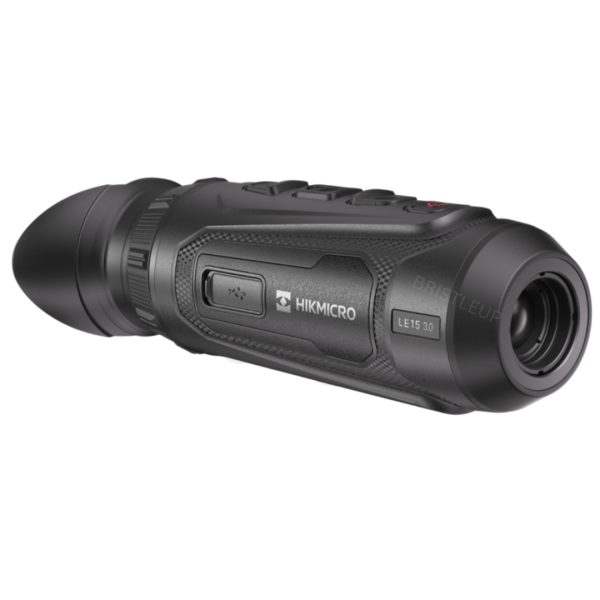
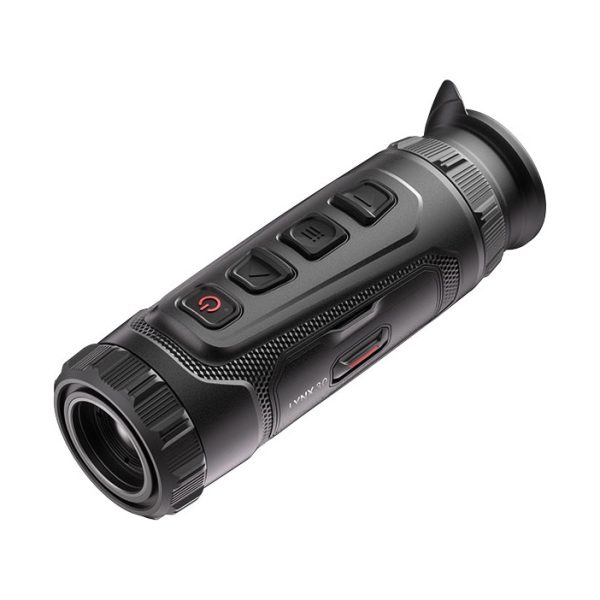
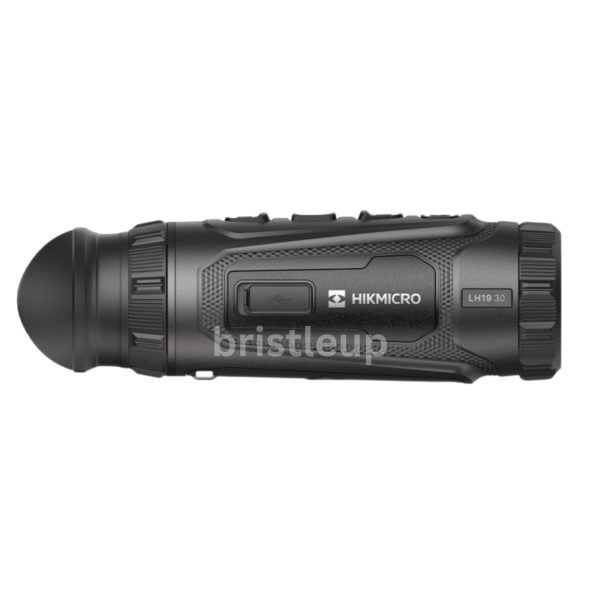
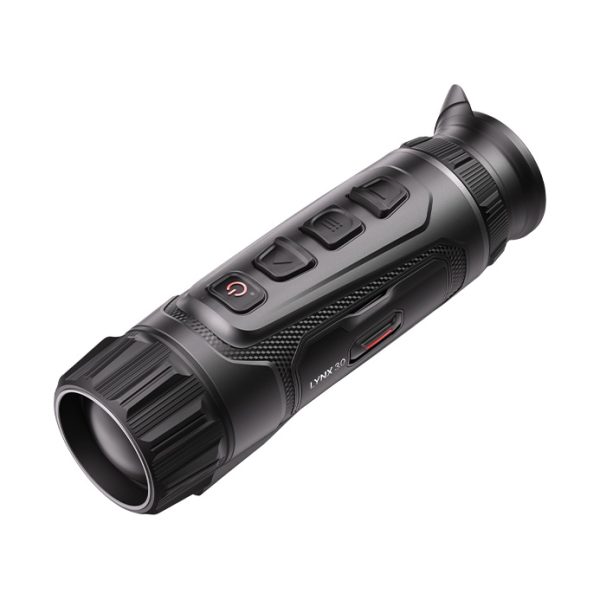
Thermal monoculars at Bristle Up
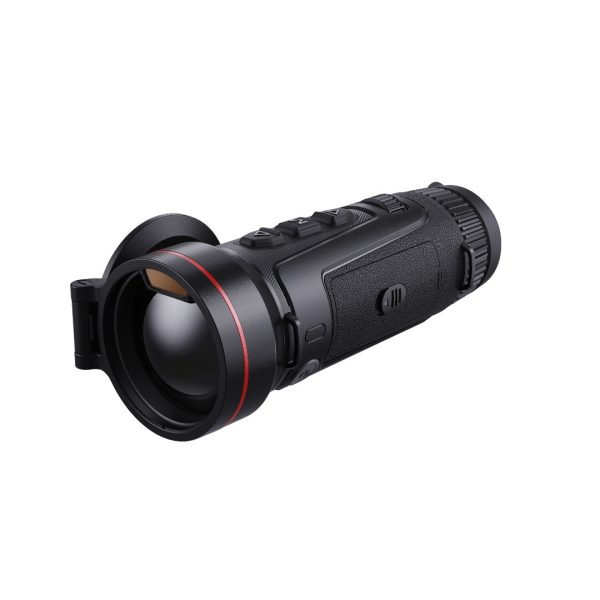
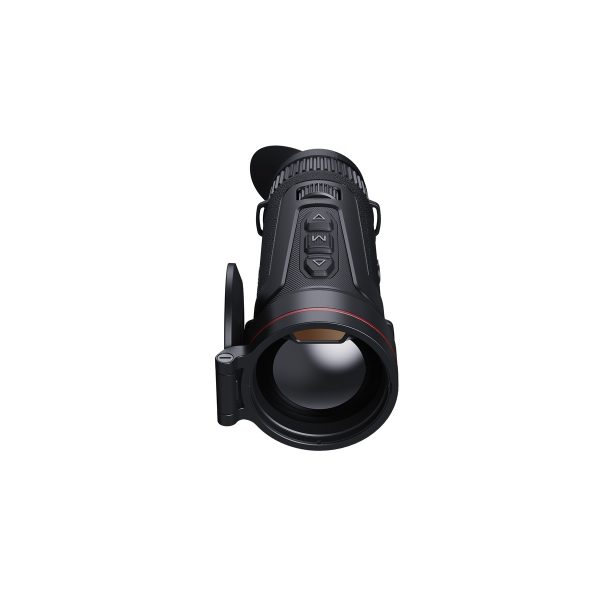
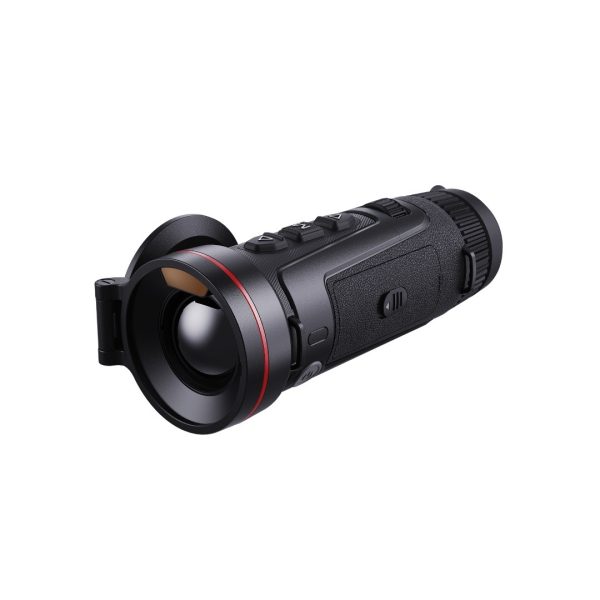
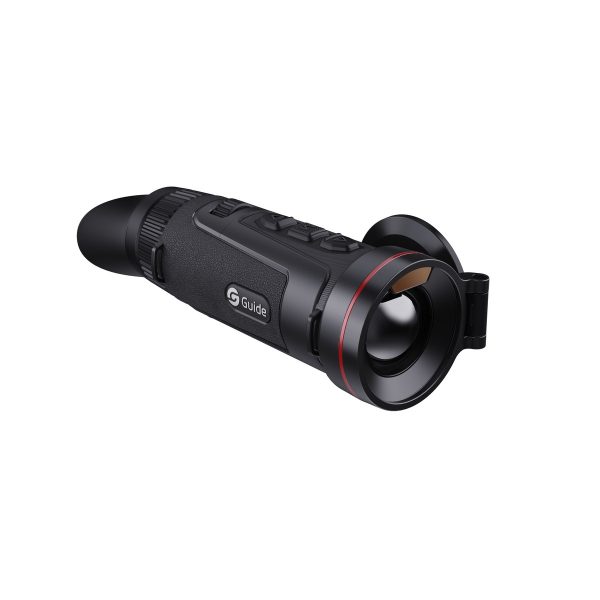
A thermal monocular is a handheld thermal camera for spotting. It picks up the heat coming off animals, so you can find them at night, in scrub and in long grass. We carry thermal monoculars from HIKMICRO, Pulsar, Nocpix, Guide, Pixfra, RIX and DNT, with sensors from 256 up to 1280, fixed and switchable lenses, and models with or without a built-in laser rangefinder.
You can browse the range by sensor in
384 thermal monoculars,
640 thermal monoculars and
1280 thermal monoculars, or see
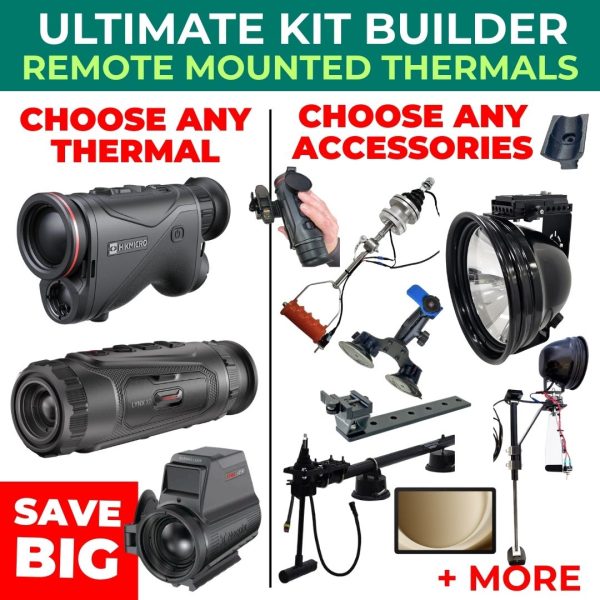
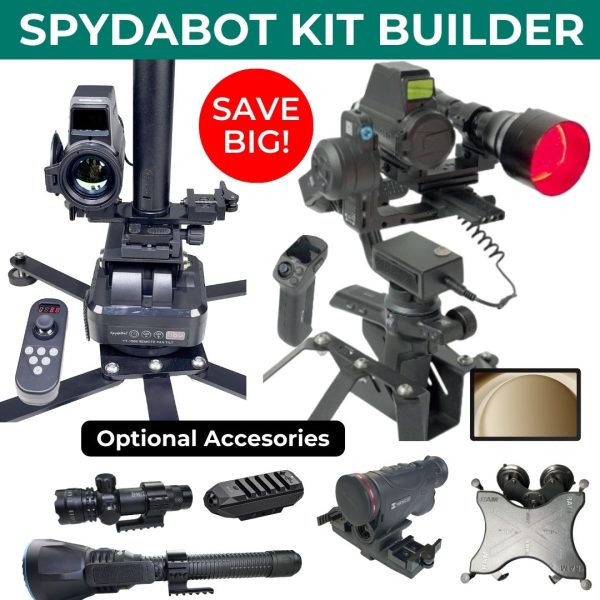
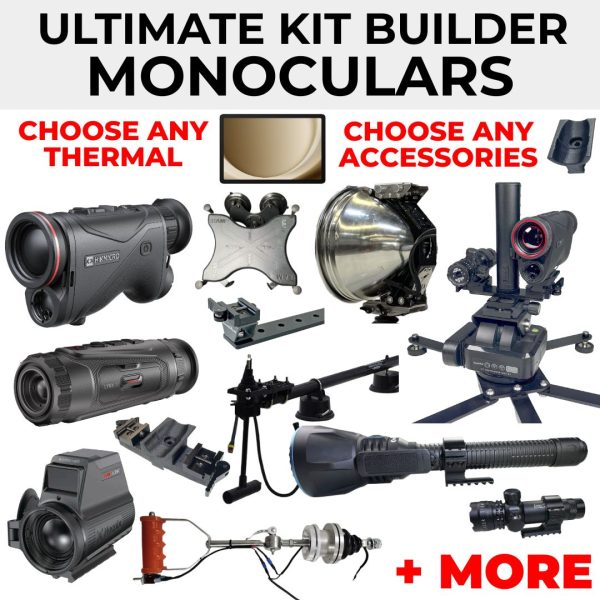
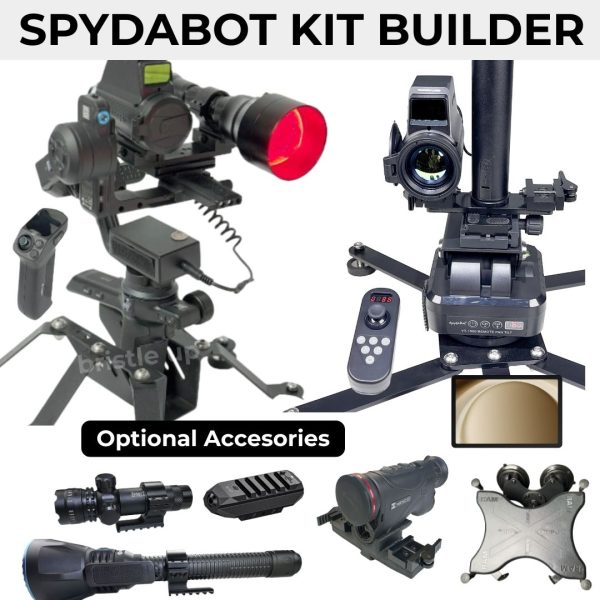
remote mounted thermal monoculars for units made to sit on the ute and send the picture to a tablet in the cab. Most of the monoculars we sell record photos and video and connect to a phone or tablet over Wi-Fi, and our
Thermal WiFi Connection Guide covers getting connected.
Thermal monoculars by brand
HIKMICRO
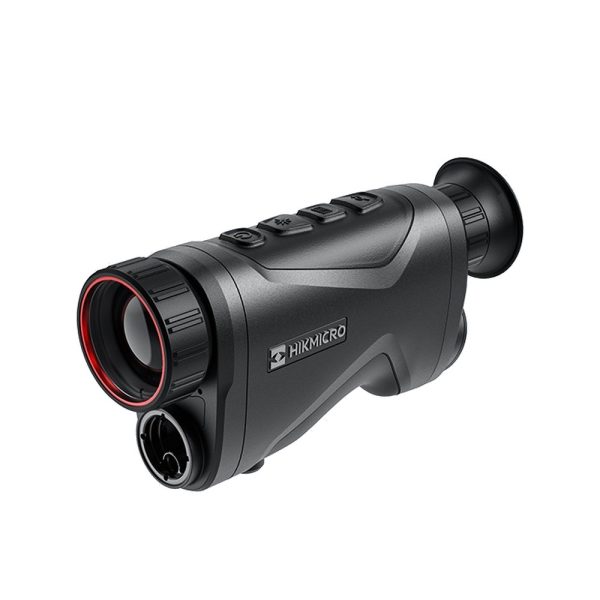
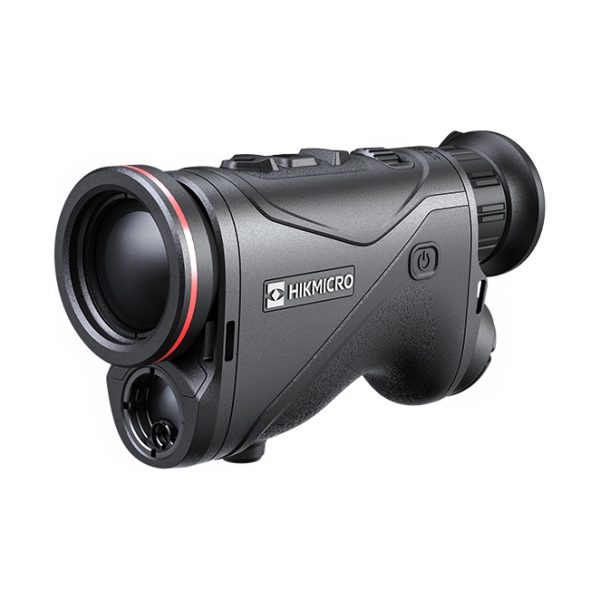
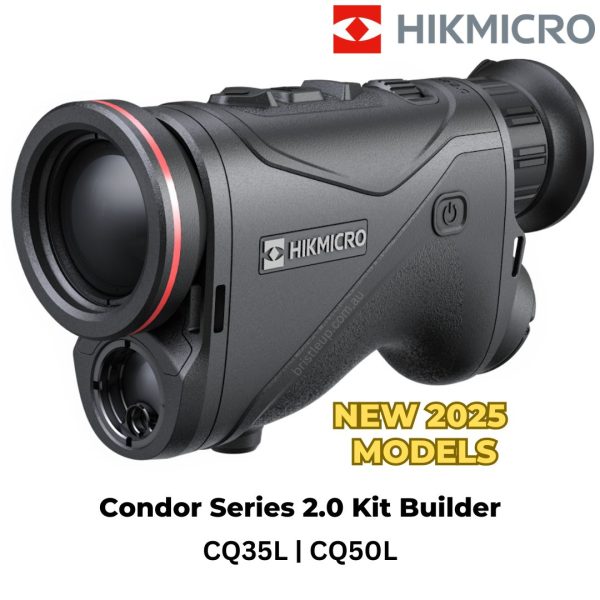
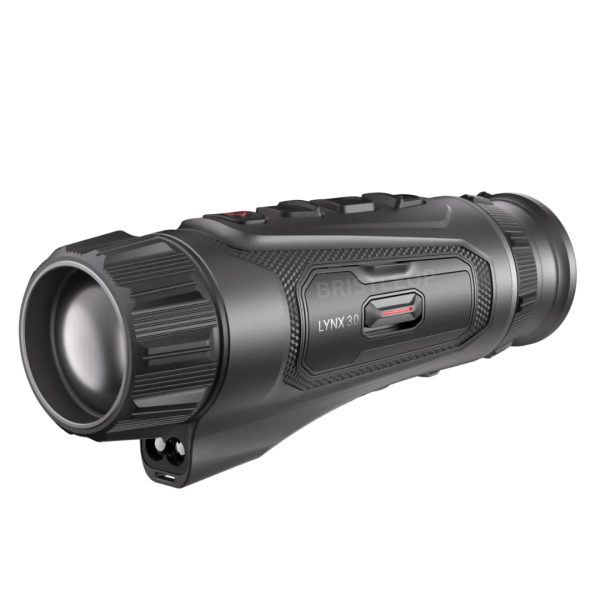
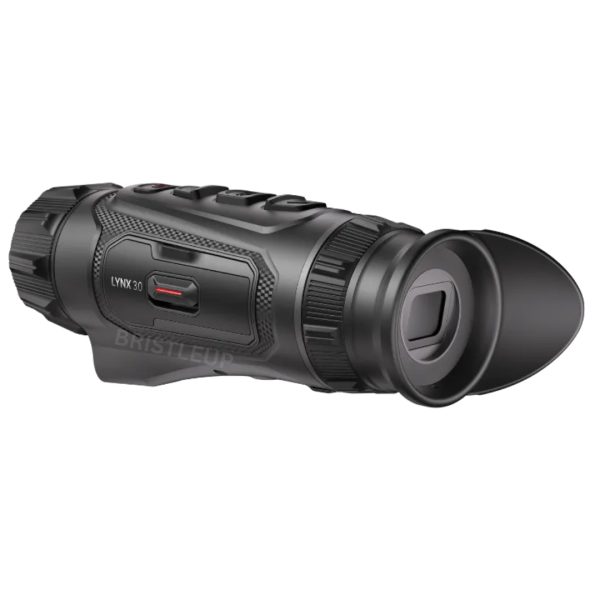
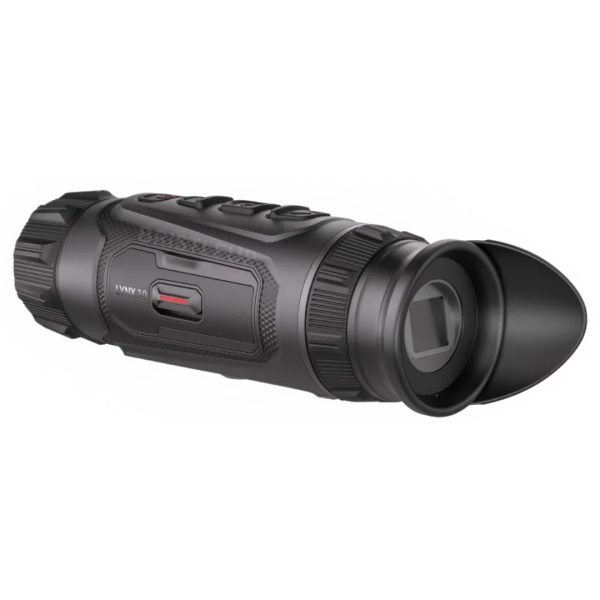
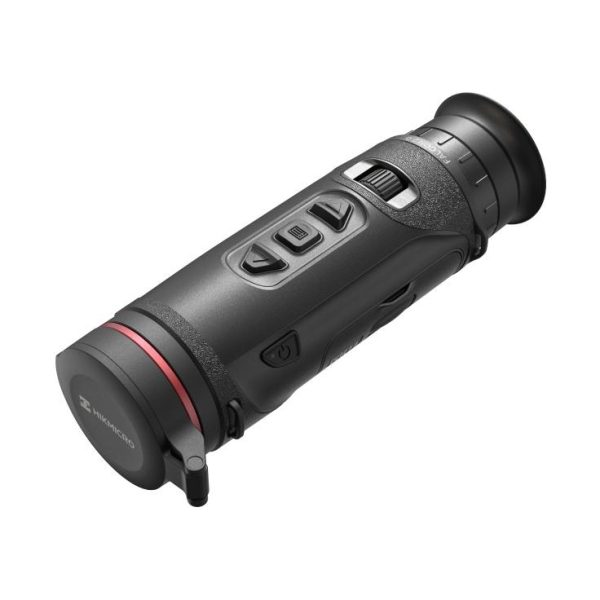
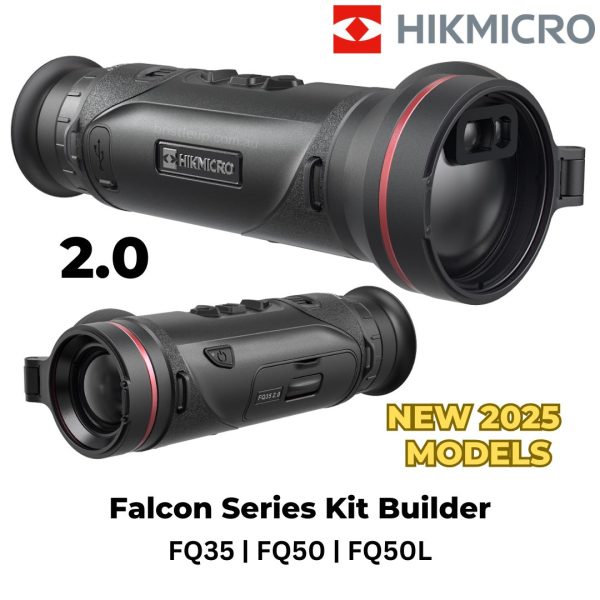
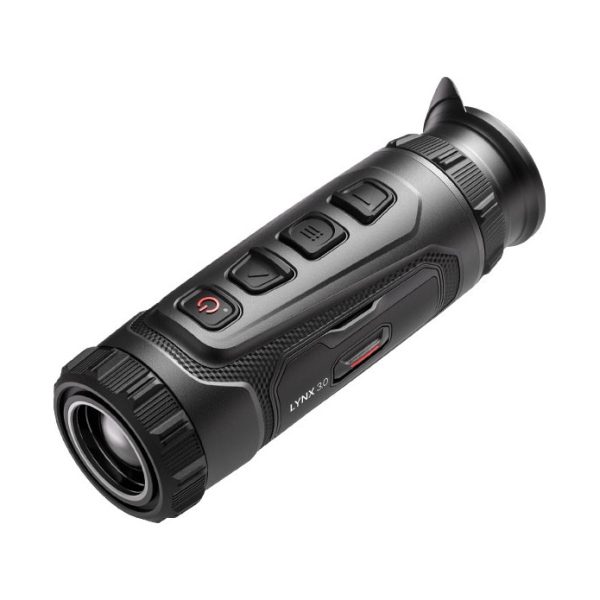
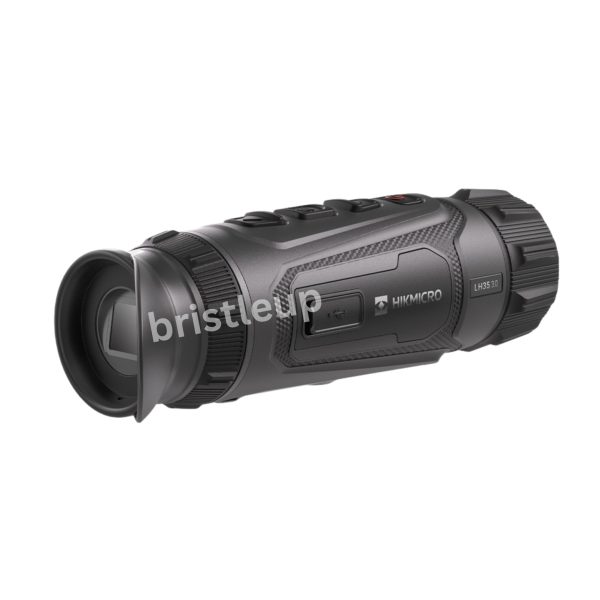
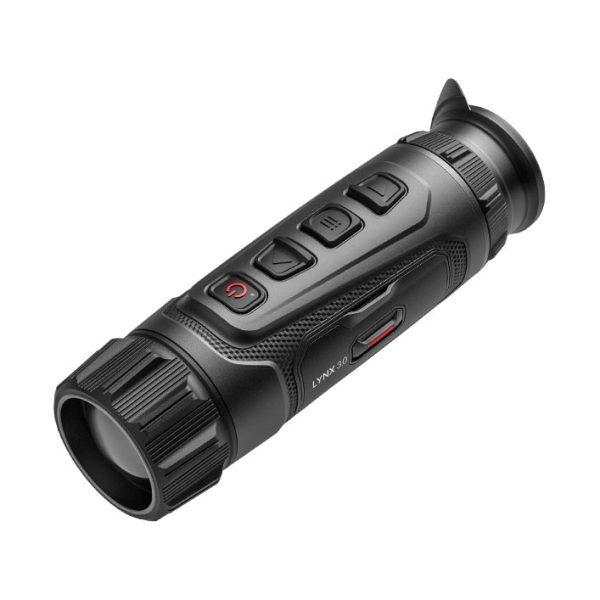
HIKMICRO thermal monoculars run from the small Lynx 3.0, from the 256 LE10 up to the 640 LQ35L with rangefinder, to the Condor 2.0 and Falcon 2.0 with 15 mK 640 sensors and 5 GHz Wi-Fi. The Falcon 2.0, Condor 2.0 and Lynx 3.0 can also be hardwired to a tablet as a backup to Wi-Fi. If you are weighing up the older Condor, our
HIKMICRO Condor CQ35L 1.0 vs 2.0 comparison sets out what changed.
Pulsar
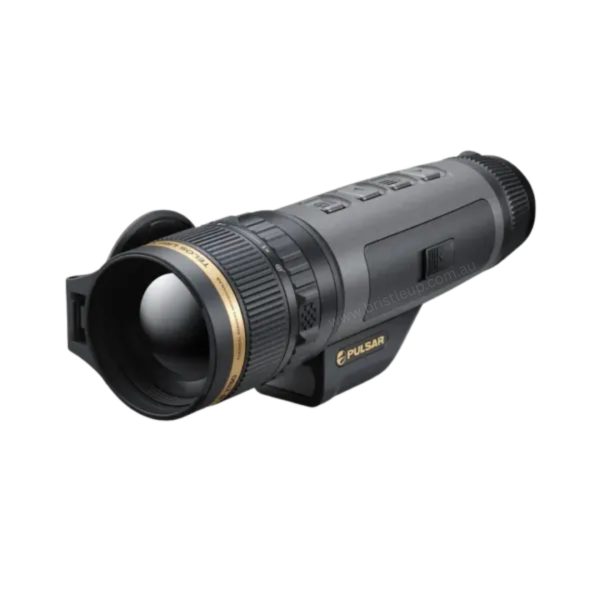
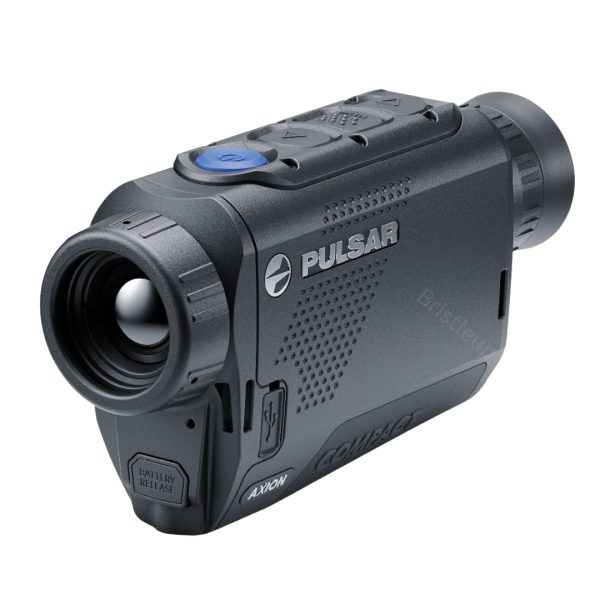
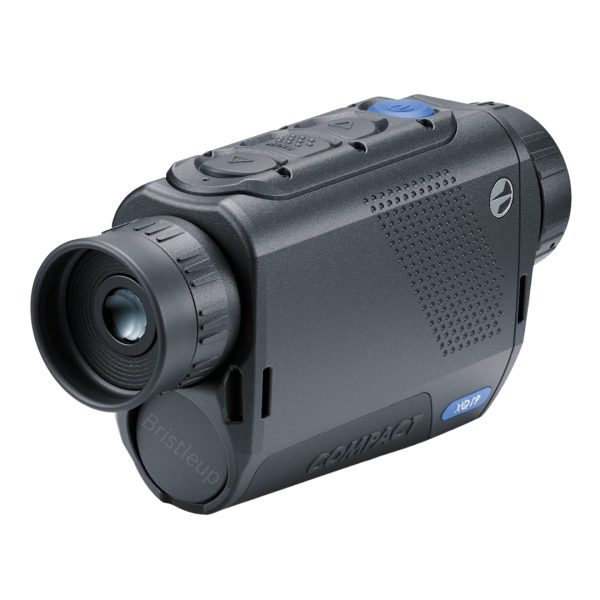
Pulsar thermal monoculars cover the Axion Compact in 384 and 640, the Telos in 640, 1024 and 1280 with or without a rangefinder, and the Oryx LRF XG35. The Krypton 2 does two jobs. Use it as a handheld, or fit it in front of a day scope as a clip-on.
Nocpix
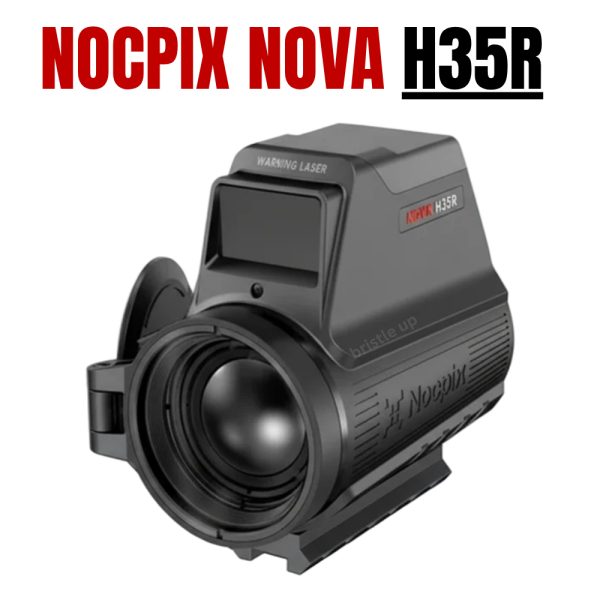
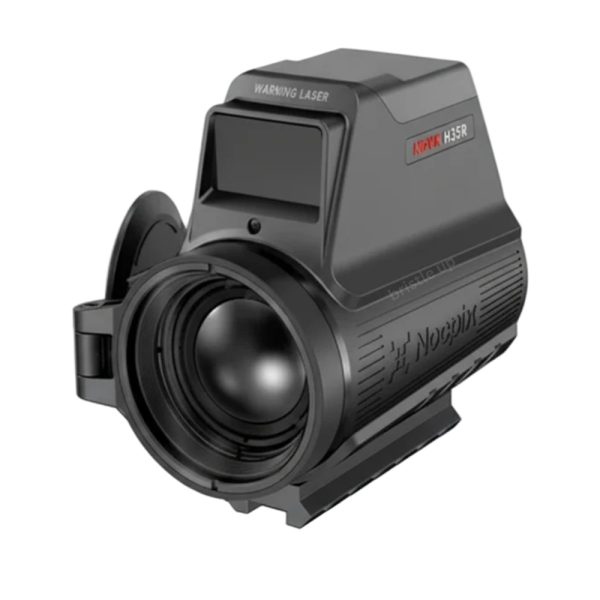
Nocpix thermal monoculars come in three lines. Lumi is compact, with F0.9 lenses and sensors from 256 in the P13 to 640 in the H35 and H35R. Vista adds a 2560×2560 AMOLED display, a rangefinder on the R models and a 1280 option in the S50R. Nova H35R is the one built for vehicle mounting, while Lumi and Vista are meant for handheld use. You can see the Nova working in our
Nocpix Nova H35R review.
Guide
Guide thermal monoculars start with the TE series, small 256 and 400×300 units. The TE210S weighs 228 g, and a 10 minute charge gives up to an hour of use. The TD Gen 3 LS models add a 1,200 m rangefinder and run on a replaceable 18650 battery. The Kodiak 3.0 pairs a 640 sensor and 1,200 m rangefinder with a 1.03 inch AMOLED display.
Pixfra
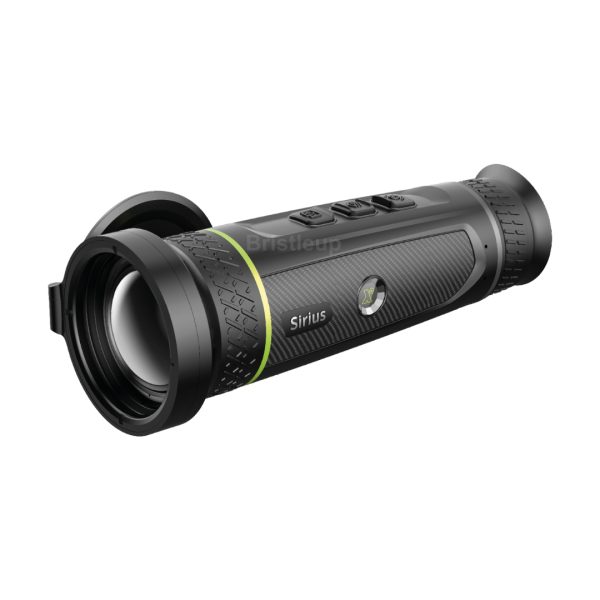
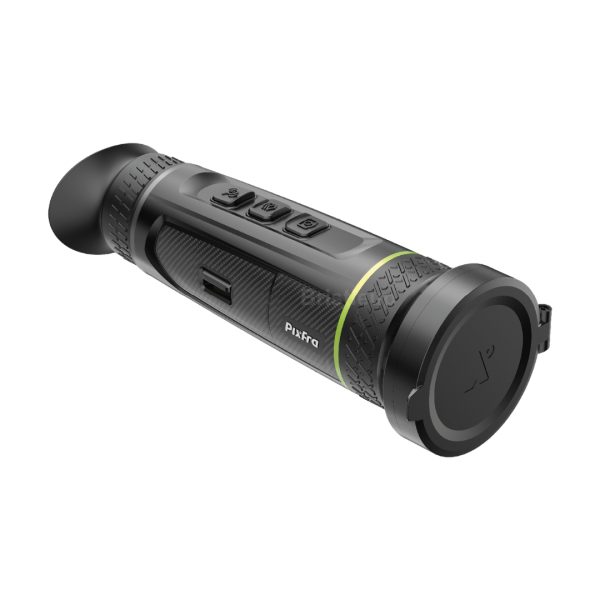
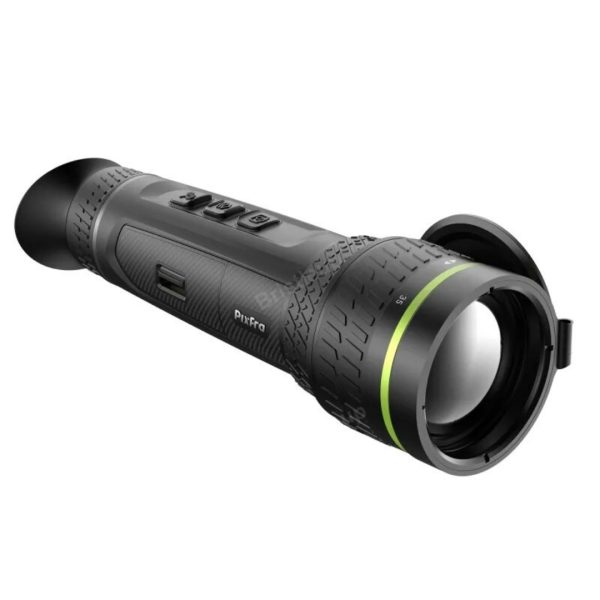
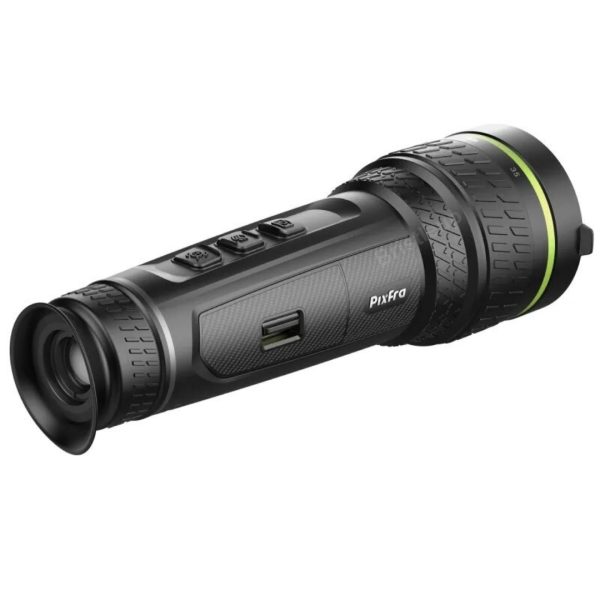
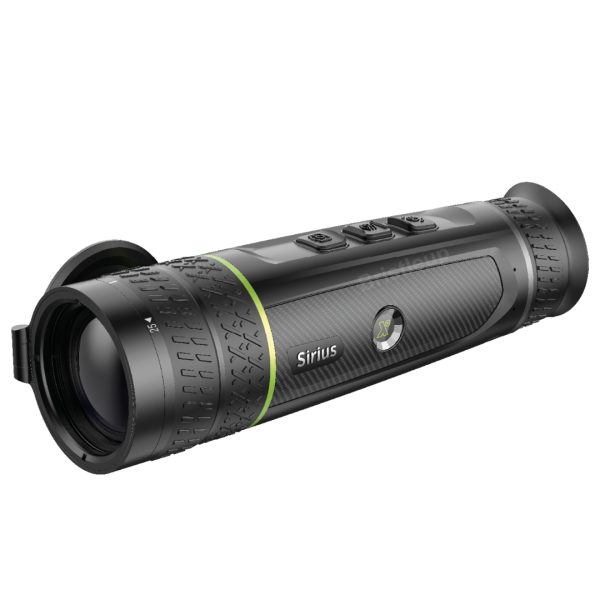
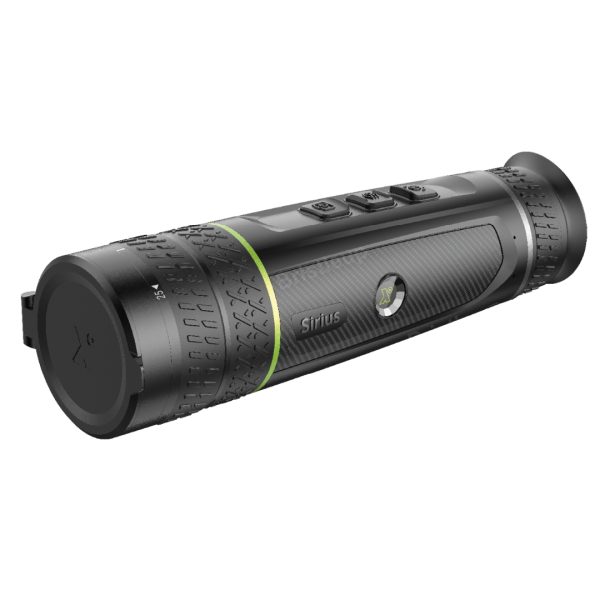
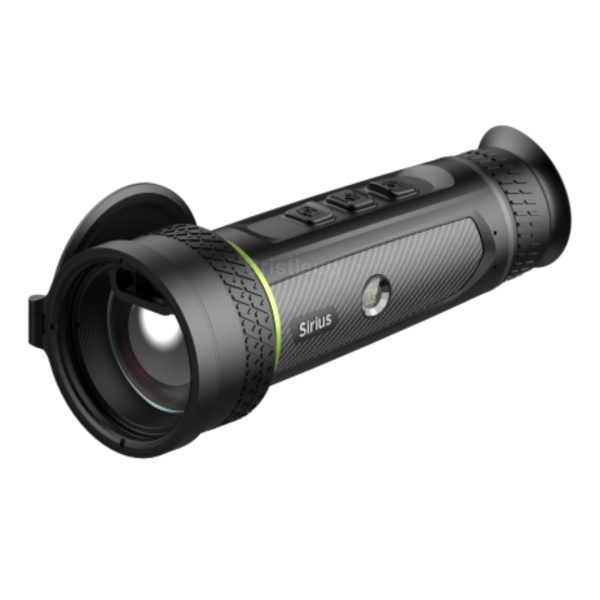
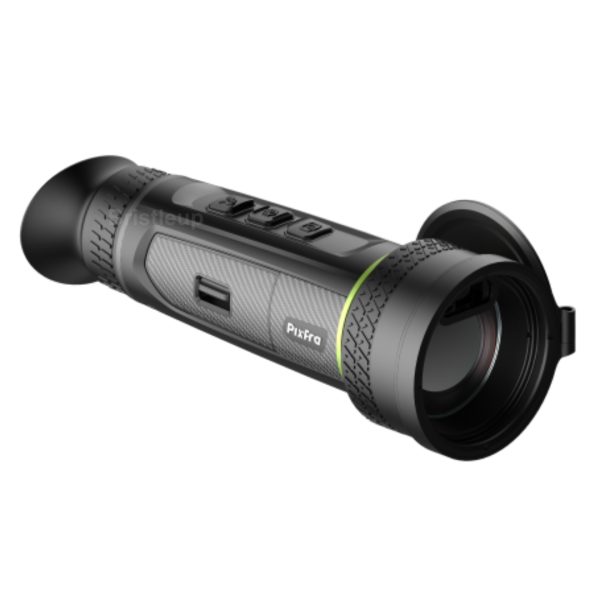
Pixfra thermal monoculars start with the Mile 2 in 256 and 384, with Wi-Fi through the Pixfra app. The Arc LRF adds a rangefinder in 384 and 640. The Sirius covers 640 with or without a rangefinder, and the Sirius HD steps up to 1280.
RIX
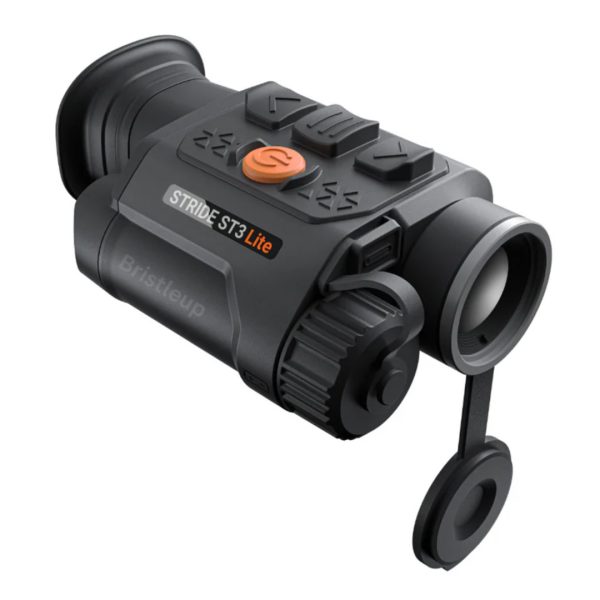
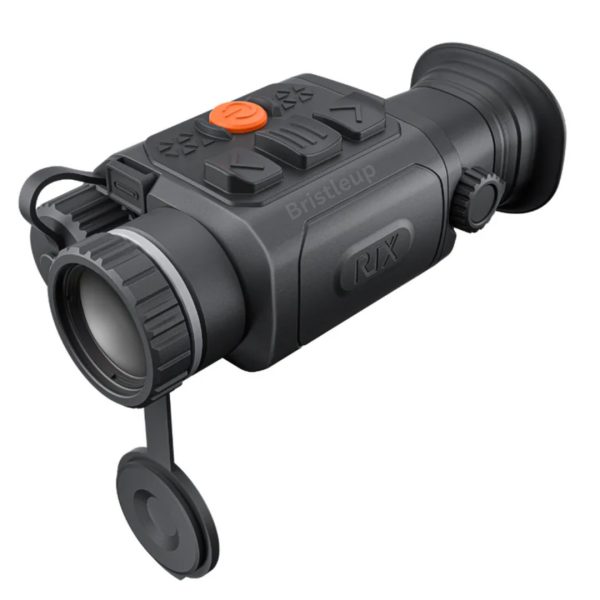
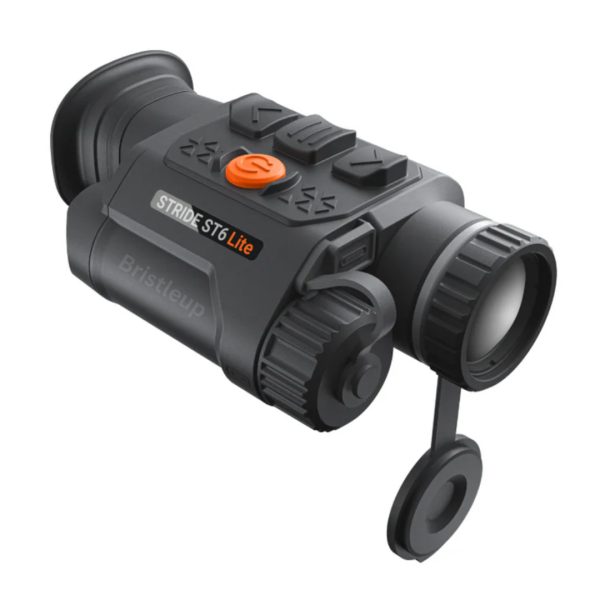
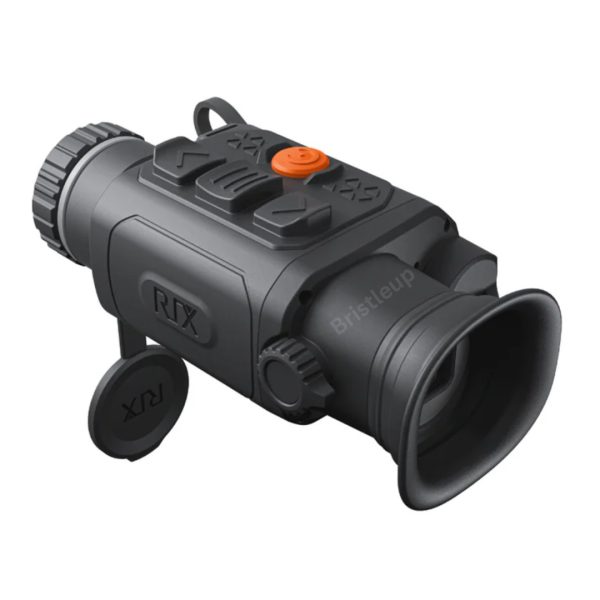
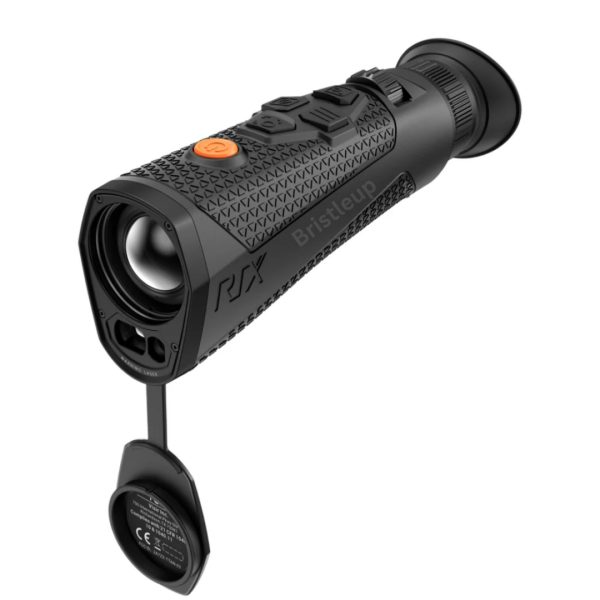
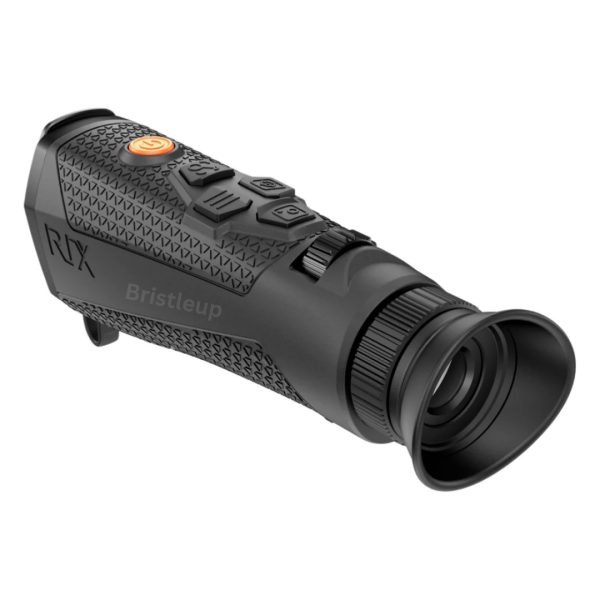
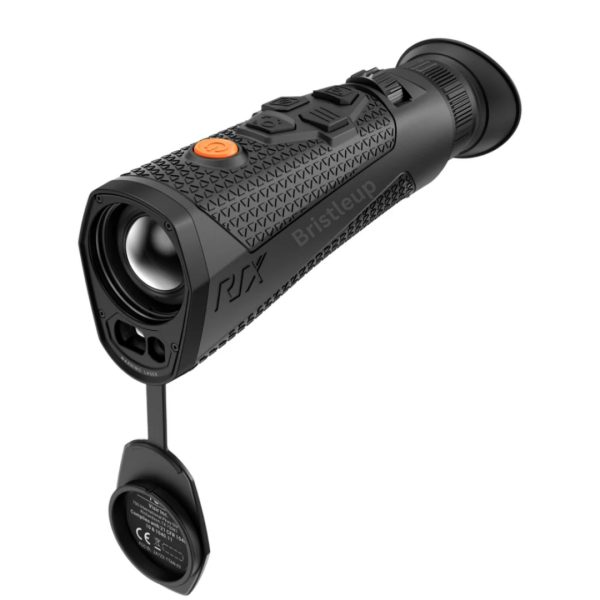
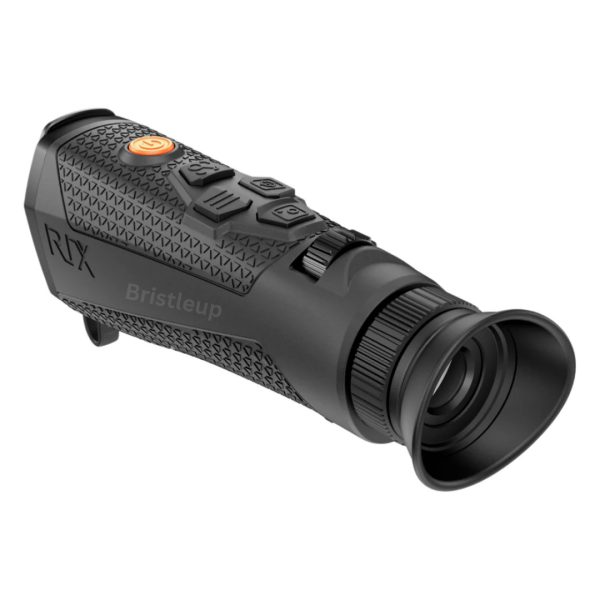
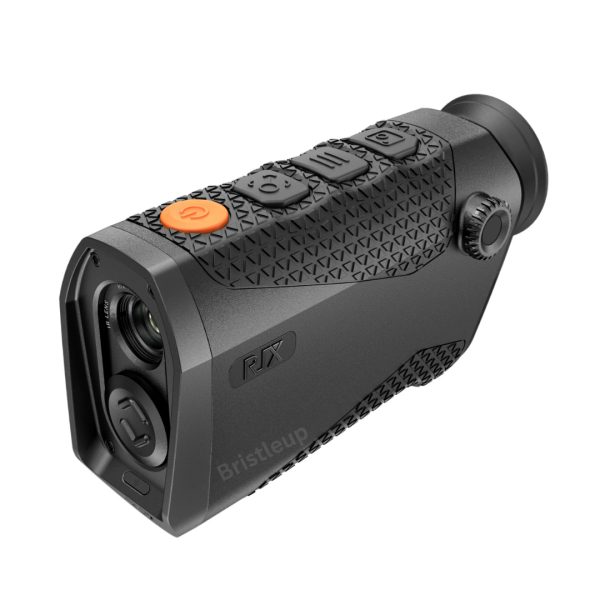
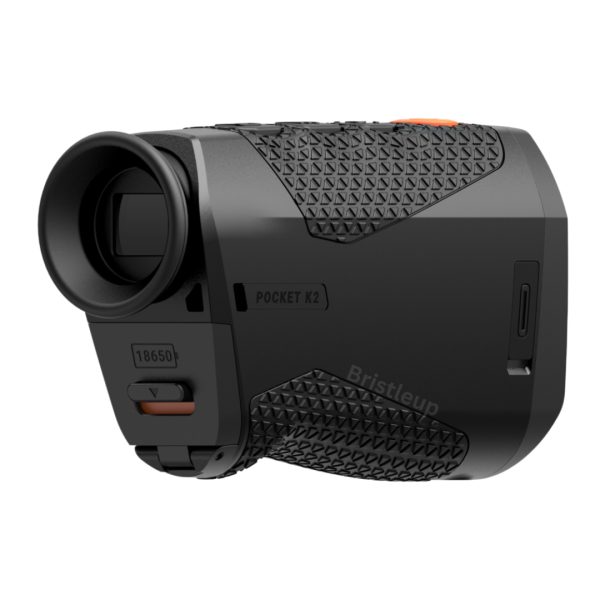
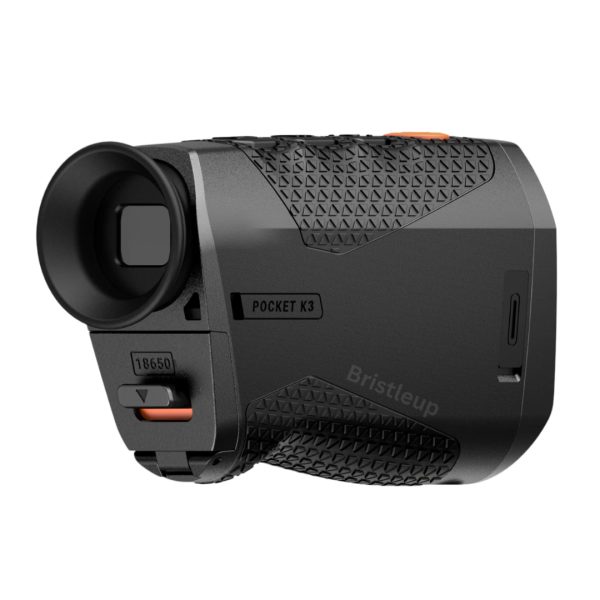
RIX thermal monoculars include the lowest priced unit in this category, the Pocket K2. The Pocket K2 (256) and K3 (384) are small, run on an 18650 battery and have electronic image stabilisation. The Stride Lite can be used handheld or head mounted, and the Titan adds a built-in rangefinder and one-handed controls.
DNT
DNT thermal monoculars include the Hound H325R and H635R, handhelds with a rangefinder and built-in ballistic calculator. The H635R runs on a 21700 battery. The Hydra works as a standalone scope, a clip-on or a handheld monocular if you want one device for more than one job.
Thermal monocular FAQs
Do I need a thermal monocular if I already have a thermal scope?
You can scan with a thermal scope, but it means pointing the rifle at everything you look at, including stock, dogs and people. A thermal monocular lets you find and check animals first, then lift the rifle only when you are ready to take the shot. If you are still choosing the scope, see our
thermal scopes and
How to Choose a Thermal Scope.
Should I get a 384 or 640 thermal monocular?
If most of your spotting is in bush, scrub or smaller paddocks, a 384 is usually enough and leaves money for a mount or spare batteries. If you glass open country or want to identify animals further out, a 640 gives about three times the pixels, so the picture holds up better when you zoom in. Lens size matters as much as the sensor, so compare the horizontal field of view at 100 m too.
How much does a thermal monocular cost in Australia?
Our thermal monoculars start at about $660 for the RIX Pocket K2, with the HIKMICRO Lynx LE10 3.0 and Guide TE210S at $699. 384 handhelds start at about $1,400, and most 640 models sit between about $2,400 and $5,500. 1280 units run from about $6,000 to $9,500. Prices change with stock and specials, so check the product page for the current price.
Thermal monocular or thermal binoculars?
Binoculars let you look with both eyes, which is more comfortable for long glassing sessions, and many of ours add a day and night camera to the thermal. The trade-off is size. The HIKMICRO Habrok 4K HE25L 2.0 weighs 895 g without batteries, against 228 g for the Guide TE210S monocular. Our
thermal binoculars start at about $1,790. A monocular is easier to carry all night.
Can I mount a thermal monocular on my vehicle?
Yes, but choose one made for it, such as the remote mounted models above. They sit on a spotlight or roof mount and send the picture to a tablet in the cab. A tablet hardwire kit gives a cabled backup for the Falcon 2.0, Condor 2.0, Lynx 3.0 and Nocpix Nova. Our
Thermal Mounts Guide compares top and side mounts, and how each one changes balance.