
Pulsar 1280 Thermal Scopes
Pulsar 1280 thermal scopes use a 1280×1024 sensor, which shows a wider field of view and more image detail than a 640 sensor behind the same lens. For other sensor sizes, see our Pulsar 1024 thermal scopes and Pulsar 640 thermal scopes.
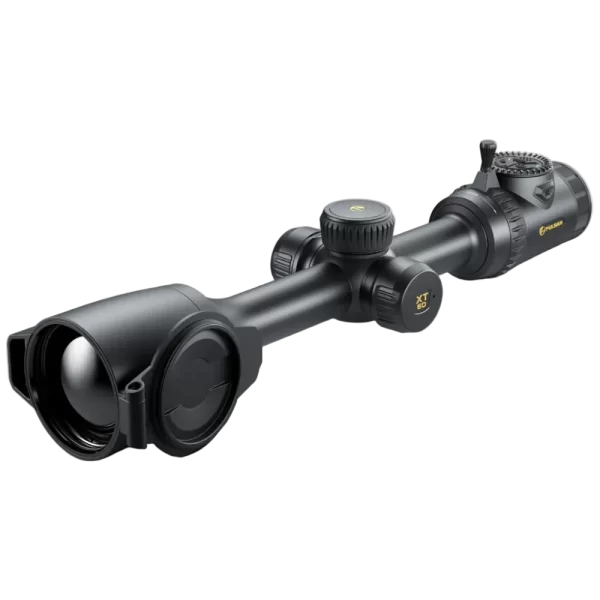
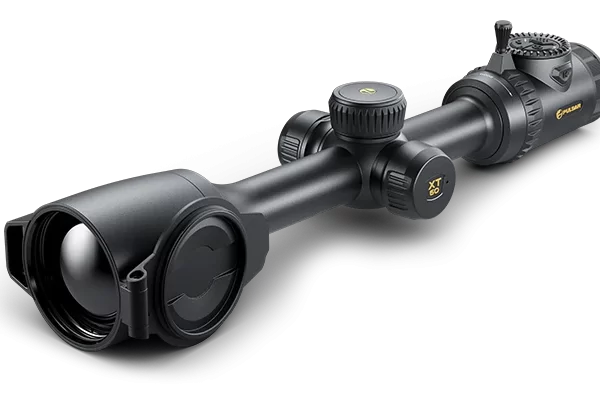
The Pulsar Thermion 3 LRF XT60 pairs a 1280×1024, 12 µm sensor with a 60mm F/1.0 lens, 2–24× zoom and a built-in laser rangefinder. Compare it with the 640 model in the Thermion 3 range.
New to thermal scopes? Read how to choose a thermal scope or browse our guides and reviews.
Pulsar 1280 Thermal Scopes: Is 1280 Right for You?
A 1280×1024 sensor has about four times the pixels of a 640 sensor. That extra detail lets a scope show a wide view at low zoom and still hold detail as you zoom in. On our site, the Pulsar 1280 scope is the Thermion 3 LRF XT60.1280 or 640: which sensor suits you?
A 1280 scope suits hunters who scan wide paddocks or tree lines and want detail when they zoom in. A 640 scope costs less and, in the Thermion 3 range, runs for longer: up to 14 hours on the XR60 against 8.5 hours on the XT60. To compare other brands, browse our 1280 thermal scopes and 640 thermal scopes.Where does 1024 fit?
The Thermion 2 LRF XL60 and XL50 use a 1024×768 sensor, which sits between 640 and 1280 for detail. See the Thermion 2 LRF XL60 or the Thermion 2 LRF XL50 to compare.What the Thermion 3 LRF XT60 has
- A 1280×1024, 12 µm sensor with a 50 Hz refresh rate.
- A 60mm F/1.0 lens, 2–24× zoom and a 25.7 m wide view at 100 m.
- A built-in laser rangefinder that measures out to 1,200 m (±1 m).
- A 2560×2560 AMOLED display with 65 mm eye relief.
- A built-in ballistic calculator and 128 GB of recording with sound.
- Two APS5 batteries, one built in and one removable, for up to 8.5 hours.
- IP67 weather protection and recoil resistance up to 6000J.